
Spring Vegetable Omelette (Fresh, Tender & Ready in 15 Minutes)
Prep Time: 5 minutes | Cook Time: 10 minutes | Total Time: 15 minutes | Servings: 1 | Calories: 320 kcal per serving
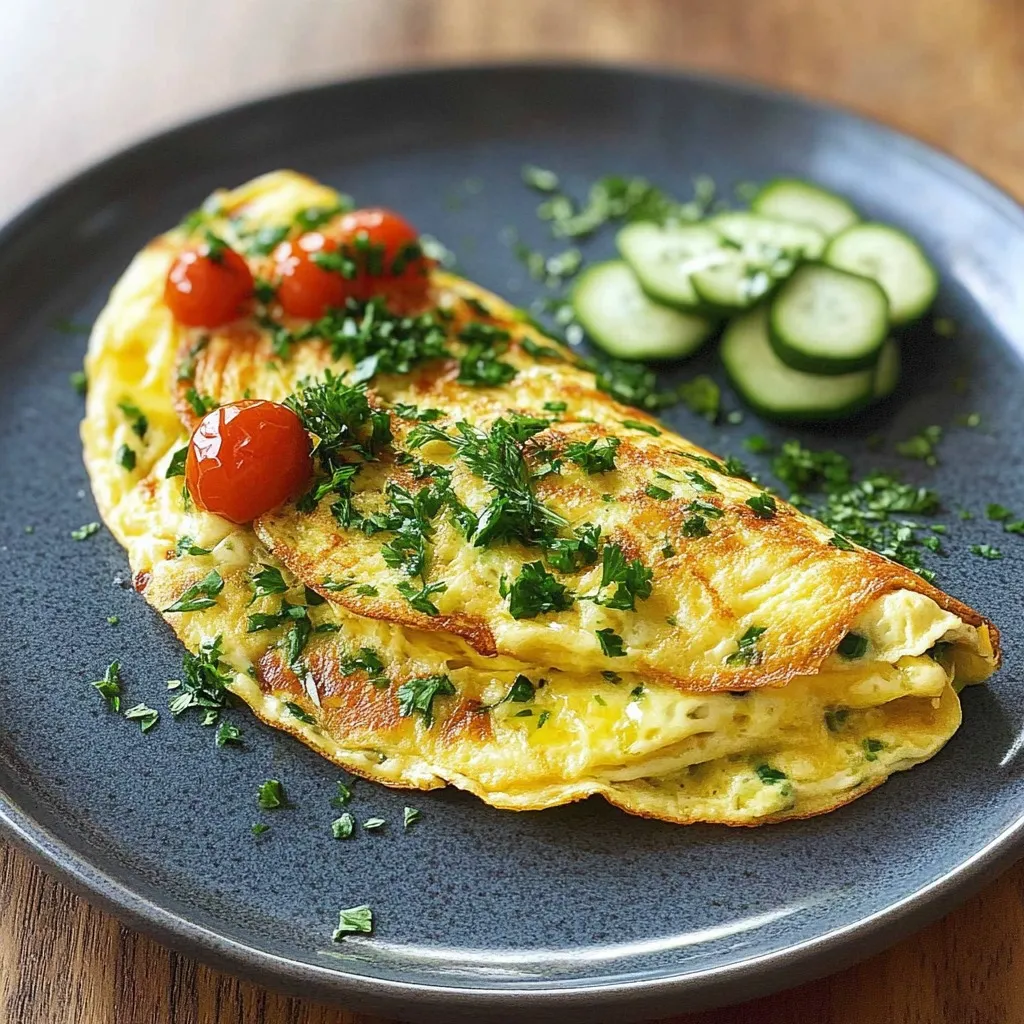
Spring vegetable omelette is a perfectly folded, golden-edged egg omelette filled with tender asparagus tips, fresh peas, wilted spinach, and soft herbs, finished with a scatter of crumbled goat cheese that melts slightly against the warm egg and pulls into creamy threads with every bite. The egg is set on the outside and just barely custardy within. The vegetables are bright and just cooked. The goat cheese adds a tang that ties the whole thing together.
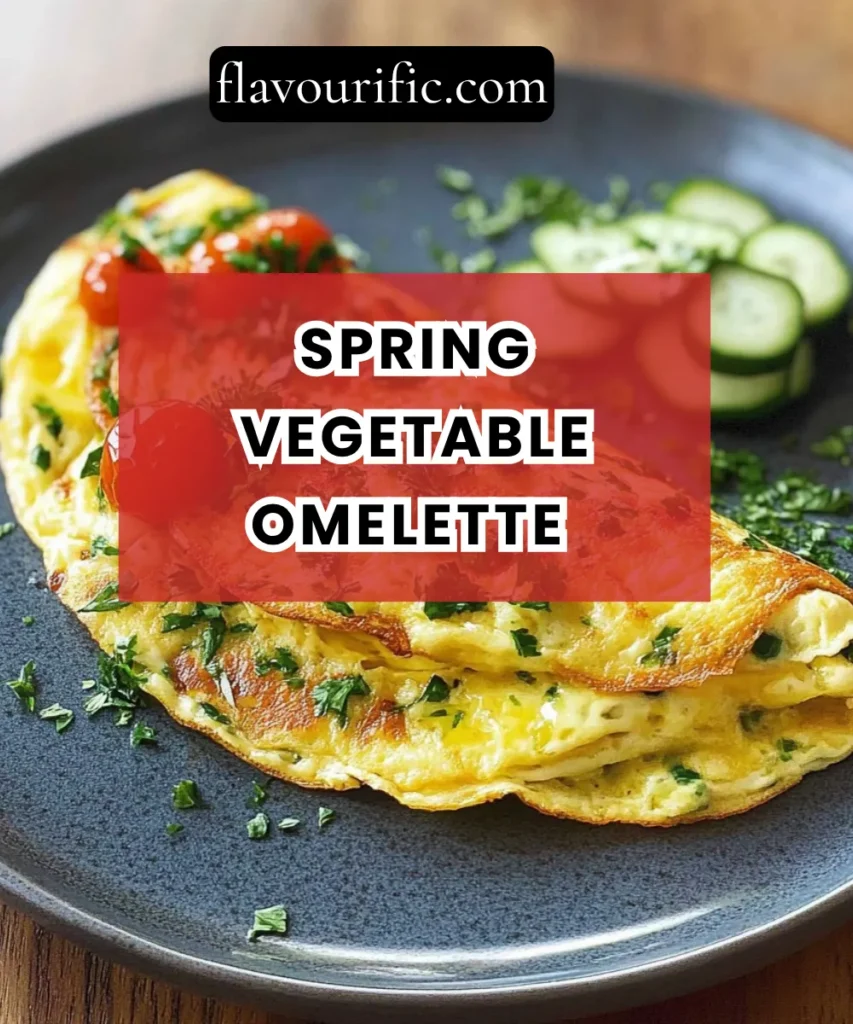
This is the omelette that makes you want to cook breakfast instead of skip it. Clean flavors. Fresh vegetables. A technique that takes two minutes to learn and produces something that looks genuinely accomplished.
Five minutes to prep. Ten minutes at the stove. One pan, one serving, fifteen minutes from cold kitchen to finished plate.
Why You Will Love This Recipe
Spring vegetable omelette belongs in your morning rotation from the moment the weather turns. Here is what makes this recipe worth making.
It is fast without any compromise. Fifteen minutes covers prep, cooking, and plating. Faster than waiting for toast in a busy café.
The vegetables stay bright and fresh. A quick sauté keeps asparagus crisp and peas sweet. Nothing is overcooked. Nothing turns grey or mushy.
The technique is learnable in one attempt. A good omelette is about heat management and timing, not skill. Follow the steps once and you will know how to make it every time from memory.
It is light but genuinely filling. Two eggs, fresh vegetables, and goat cheese deliver sustained energy without heaviness. The kind of breakfast that keeps you going until lunch without thinking about it.
It scales effortlessly. The method is identical for one person or four. Make one at a time for a table of guests and everyone gets a freshly cooked, hot omelette in under ten minutes per person.
Ingredients
For the omelette:
- 2 large eggs (or 3 for a larger omelette)
- 1 tablespoon whole milk or cream
- Pinch of salt
- Pinch of white pepper (or black pepper)
- 1 teaspoon unsalted butter
For the filling:
- ½ teaspoon olive oil
- 6–8 asparagus spears, woody ends snapped off, tips cut into 3–4 cm pieces
- ¼ cup (40g) fresh or frozen peas, thawed if frozen
- 1 cup (30g) fresh baby spinach
- 2 spring onions, thinly sliced
- 1 garlic clove, minced
- Salt and pepper to taste
For finishing:
- 3 tablespoons crumbled goat cheese
- Small handful of fresh herbs — chives, tarragon, dill, or flat-leaf parsley
- Pinch of lemon zest
- Drizzle of olive oil
- Flaky sea salt and cracked black pepper
Equipment Needed
- 20–22 cm (8–9 inch) non-stick skillet — size matters here, too large and the egg spreads too thin
- Second small skillet or the same pan used twice for the vegetables
- Silicone spatula
- Small bowl and fork or small whisk
- Sharp knife and cutting board
Instructions
Step 1: Prepare all the filling ingredients before touching the eggs. Snap the woody ends off the asparagus and cut the tips into 3–4 cm pieces. Thaw the peas if using frozen. Slice the spring onions. Mince the garlic. Once the eggs hit the pan, there is no time to prep.
Step 2: Heat a small skillet over medium-high heat. Add the olive oil. Add the asparagus and cook for 2 minutes, tossing occasionally, until just tender and bright green. They should still have a slight bite.
Step 3: Add the garlic and spring onions. Cook for 30 seconds, stirring constantly.
Step 4: Add the peas and spinach. Toss for 30–60 seconds until the spinach is just wilted and the peas are warmed through. Season with salt and pepper. Remove from heat and set aside. The filling should be hot but not overcooked.
Step 5: Crack the eggs into a small bowl. Add the milk, salt, and white pepper. Beat with a fork for about 30 seconds until the yolks and whites are fully combined and the mixture is slightly frothy. Do not overbeat. Frothy but not foamy.
Step 6: Heat the non-stick skillet over medium-high heat. Add the butter. Let it melt and foam. When the foam begins to subside and the butter smells nutty but has not yet browned, the pan is ready. This window is about 20–30 seconds. Do not let it burn.
Step 7: Pour the egg mixture into the pan all at once. It should sizzle immediately on contact. If it does not sizzle, the pan was not hot enough.
Step 8: Let the eggs sit undisturbed for 10–15 seconds until the edges just begin to set.
Step 9: Using the silicone spatula, gently push the set edges toward the center while tilting the pan so the uncooked egg flows out to the edges. Repeat this around the pan — push, tilt, push, tilt — for about 30–45 seconds until most of the egg is set but the surface still looks slightly wet and glossy.
Step 10: Remove the pan from the heat. The residual heat will finish cooking the surface. A slightly underdone surface at this point produces a perfectly custardy finished omelette.
Step 11: Spoon the warm vegetable filling down the center of the omelette in a line from one side to the other.
Step 12: Scatter the crumbled goat cheese over the filling. Add the fresh herbs and the pinch of lemon zest.
Step 13: Fold the omelette. Tilt the pan away from you. Use the spatula to fold the near edge of the omelette over the filling toward the center. Then tip the pan further and let the far edge roll over to complete the fold as it slides onto the plate. The omelette should be folded into thirds, seam side down on the plate.
Step 14: Finish with a drizzle of olive oil, a pinch of flaky sea salt, cracked black pepper, and a few extra fresh herb leaves. Serve immediately.
Substitutes & Swaps
Goat cheese: Crumbled feta gives a saltier, firmer result. Soft ricotta is mild and creamy. Gruyère or sharp cheddar, grated finely, melt more fully into the egg. Brie cut into small pieces is indulgent and extraordinarily good.
Asparagus: Thinly sliced zucchini works at any time of year. Green beans blanched until just tender work well. Broccoli florets cut very small and sautéed until just tender are excellent. Sugar snap peas, halved, give a satisfying crunch.
Fresh peas: Frozen peas are a perfectly fine substitute — just thaw and use directly. Edamame gives more substance and a slightly nuttier flavor.
Baby spinach: Watercress is peppery and excellent for spring. Arugula wilts quickly and adds a pleasant bitterness. Finely shredded kale works with an extra 1–2 minutes of sautéing time.
Spring onions: A small shallot, finely diced and sautéed with the garlic, gives a sweeter, more delicate onion flavor.
Whole milk: A tablespoon of cream gives a richer, slightly more custardy omelette. Water works and produces a lighter, more delicate result. Some omelette purists use no liquid at all.
Variations
Herbed Cream Cheese Omelette: Replace the goat cheese with softened herb cream cheese. Spread it over the filling before folding. It melts into the warm egg and creates a rich, creamy layer throughout.
Mushroom and Tarragon Omelette: Replace all the vegetables with sautéed mushrooms cooked until all their moisture has evaporated and they are deeply golden. Add a generous amount of fresh tarragon. Use Gruyère instead of goat cheese. Classic and deeply savory.
Greek Style Omelette: Fill with sautéed spinach, chopped kalamata olives, sun-dried tomatoes, and crumbled feta. Finish with a drizzle of olive oil and dried oregano. Bold Mediterranean flavors in fifteen minutes.
Open-Faced Omelette: Skip the folding entirely. Pile the filling over the set egg and slide it directly onto the plate flat. Easier, more rustic, and just as delicious for a relaxed morning.
Flat Spanish-Style Omelette: Beat the eggs with the filling ingredients combined rather than keeping them separate. Cook over low heat for 4–5 minutes without moving until the bottom is set. Flip carefully using a plate and cook another 2 minutes. Slice into wedges. Completely different technique, equally excellent result.
Tips & Tricks
Prepare everything before you crack the eggs. This is the most important rule of omelette making. Once the butter hits the pan, the entire cooking process takes under two minutes. There is no time to slice, chop, or find anything. Everything must be ready and within arm’s reach before you start.
Use the right size pan. A 20–22 cm non-stick pan is ideal for a two-egg omelette. Too large and the egg spreads too thin and overcooks before you can work with it. Too small and the omelette is too thick and takes too long to set.
The pan must be properly hot. If the eggs do not sizzle on contact with the butter, the pan is too cold. A cold pan produces rubbery, unevenly cooked eggs. Medium-high heat and foaming butter that is just beginning to subside is the correct starting point every time.
Stop cooking before it looks done. The surface should still look slightly wet and glossy when you add the filling. The residual heat and the folding finish it. An omelette that looks fully cooked in the pan is already overcooked on the plate.
Work quickly but not frantically. The push-and-tilt technique should be calm and deliberate. Move around the edges of the pan evenly. The goal is to fold and distribute the uncooked egg to the edges continuously so it cooks in a thin, even layer throughout.
Season the eggs before cooking, not after. Salt added to raw eggs before cooking seasons the egg itself rather than sitting on the surface. The difference is subtle but noticeable, especially in a dish this simple.
Serve immediately. An omelette waits for no one. It continues cooking on the plate from residual heat and goes from perfectly custardy to rubbery in two minutes. Have the plate warm, the garnish ready, and the person eating at the table before the omelette goes into the pan.
Nutrition Information (Per Serving)
| Nutrient | Amount |
|---|---|
| Calories | 320 kcal |
| Total Fat | 22g |
| Saturated Fat | 9g |
| Carbohydrates | 10g |
| Fibre | 3g |
| Sugars | 4g |
| Protein | 21g |
| Sodium | 380mg |
Nutrition is based on one omelette made with 2 eggs, whole milk, butter, asparagus, peas, spinach, spring onions, and goat cheese.
Frequently Asked Questions (FAQs)
Why does my omelette stick to the pan?
Either the pan is not non-stick, the butter was not hot enough before the eggs went in, or the pan has invisible scratches from metal utensils that cause sticking. Always use a dedicated non-stick pan for eggs, use only silicone or wooden utensils, and never put a non-stick pan in the dishwasher.
Can I make this ahead of time?
Omelettes do not store or reheat well. They are a two-minute cook that is meant to be eaten immediately. The vegetables and filling can be prepped and refrigerated the night before. The eggs take under two minutes once the filling is ready.
My omelette is always rubbery. What am I doing wrong?
It is overcooked. Pull the omelette from the heat while the surface still looks slightly wet and glossy. The folding and resting on the plate finish the cooking. Every extra second in the pan after the egg looks set produces a progressively more rubbery result.
How do I fold the omelette without it breaking?
The egg must still be slightly pliable — not fully set and dry — when you attempt to fold. Work off the heat. Use a silicone spatula. Fold gently in thirds rather than in half — it is a more forgiving fold and holds its shape better on the plate.
Can I use egg whites only?
Yes. Use 4 egg whites in place of 2 whole eggs. The result is lighter and less rich. Add an extra pinch of salt and a tiny additional splash of milk to compensate for the missing yolk fat. Cook time is nearly identical but watch carefully — whites overcook faster than whole eggs.
What is the best way to know when the butter is ready?
Watch the foam. Butter foams as it melts. When the foam begins to subside — not disappear, just calm down — and you can smell a faint nuttiness, the butter and pan are at the correct temperature. This takes about 20–30 seconds over medium-high heat.
Can I add more eggs for a larger omelette?
Yes. Three eggs make a more generous omelette using the same technique and the same size pan. Add 30 seconds to the cooking time. Four eggs in a single pan become difficult to manage — make two separate omelettes instead.
The Omelette That Makes Breakfast Worth Sitting Down For
Fifteen minutes. One pan. Two eggs and a handful of whatever spring has to offer. The asparagus is bright green and just tender. The peas are sweet. The goat cheese melts against the warm egg into something tangy and creamy. Fresh herbs over everything.
Make it on a weekday morning when you have fifteen minutes and want something that feels considered. Make it on a slow weekend with a strong coffee alongside. Make it for someone who says they never bother with breakfast and watch them change their mind.
It is the omelette that reminds you what a good egg can do.
Made this spring vegetable omelette? Tell me in the comments which vegetables you used, what cheese you chose, and whether the folding technique worked for you the first time. I want to hear every detail.
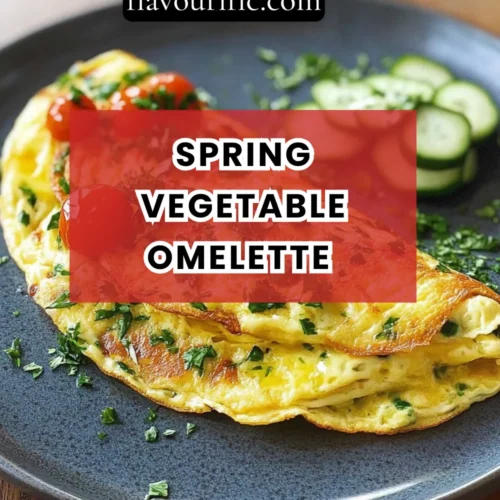
Spring Vegetable Omelette
Ingredients
- Omelette:
- 2 large eggs or 3 for a larger omelette
- 1 tablespoon whole milk or cream
- Pinch of salt
- Pinch of white pepper
- 1 teaspoon unsalted butter
- Filling:
- ½ teaspoon olive oil
- 6 –8 asparagus spears woody ends removed, cut into 3–4 cm pieces
- ¼ cup fresh or frozen peas thawed if frozen
- 1 cup fresh baby spinach
- 2 spring onions thinly sliced
- 1 garlic clove minced
- Salt and pepper to taste
- Finishing:
- 3 tablespoons crumbled goat cheese
- Fresh chives tarragon, dill, or flat-leaf parsley
- Pinch of lemon zest
- Drizzle of olive oil
- Flaky sea salt and cracked black pepper
Instructions
- Prep all filling ingredients before touching the eggs. Slice asparagus, thaw peas, slice spring onions, mince garlic.
- Heat olive oil in a small skillet over medium-high. Sauté asparagus 2 minutes until just tender and bright green.
- Add garlic and spring onions. Cook 30 seconds, stirring constantly.
- Add peas and spinach. Toss 30–60 seconds until spinach wilts and peas are warmed. Season. Remove from heat.
- Beat eggs with milk, salt, and white pepper for 30 seconds until combined and slightly frothy.
- Heat non-stick skillet over medium-high. Add butter. When foam subsides and butter smells nutty, pour in eggs immediately.
- Let eggs sit undisturbed 10–15 seconds until edges just begin to set.
- Push set edges toward center while tilting pan so uncooked egg flows to the edges. Repeat around the pan for 30–45 seconds.
- Remove from heat when surface still looks slightly wet and glossy.
- Spoon filling down the center. Scatter goat cheese, fresh herbs, and lemon zest over the filling.
- Fold in thirds — fold near edge over filling, then tip the pan to roll the far edge over as it slides onto the plate.
- Finish with olive oil, flaky salt, cracked pepper, and extra herbs. Serve immediately.
Notes
- Prep everything before cracking the eggs — once cooking starts there is no time
- Use a 20–22 cm non-stick pan — size is critical for the correct egg thickness
- The eggs must sizzle on contact with the butter — if they do not, the pan was too cold
- Pull the omelette off heat while the surface still looks slightly wet — residual heat finishes it
- Season the eggs before cooking, not after, for seasoning throughout
- Fold gently in thirds — it is more forgiving and holds its shape better than folding in half
- Serve immediately — an omelette goes from perfect to rubbery in two minutes
- Prep the vegetable filling the night before and refrigerate — eggs cook fresh in under two minutes
- Use only silicone utensils in a non-stick pan — metal scratches destroy the non-stick surface
- Three eggs make a more generous omelette with 30 seconds of extra cook time