
Sweet Chili Chicken Stir Fry (Bold, Sticky & Ready in 25 Minutes)
Prep Time: 10 minutes | Cook Time: 15 minutes | Total Time: 25 minutes | Servings: 4 | Calories: 410 kcal per serving
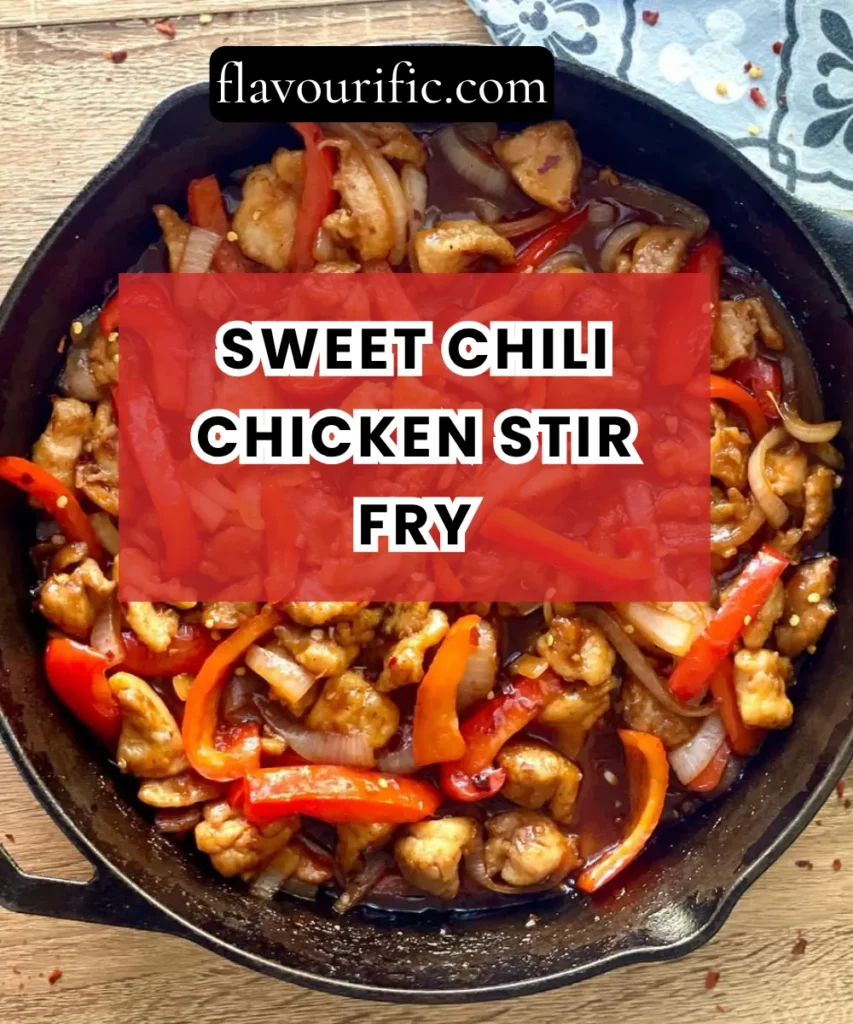
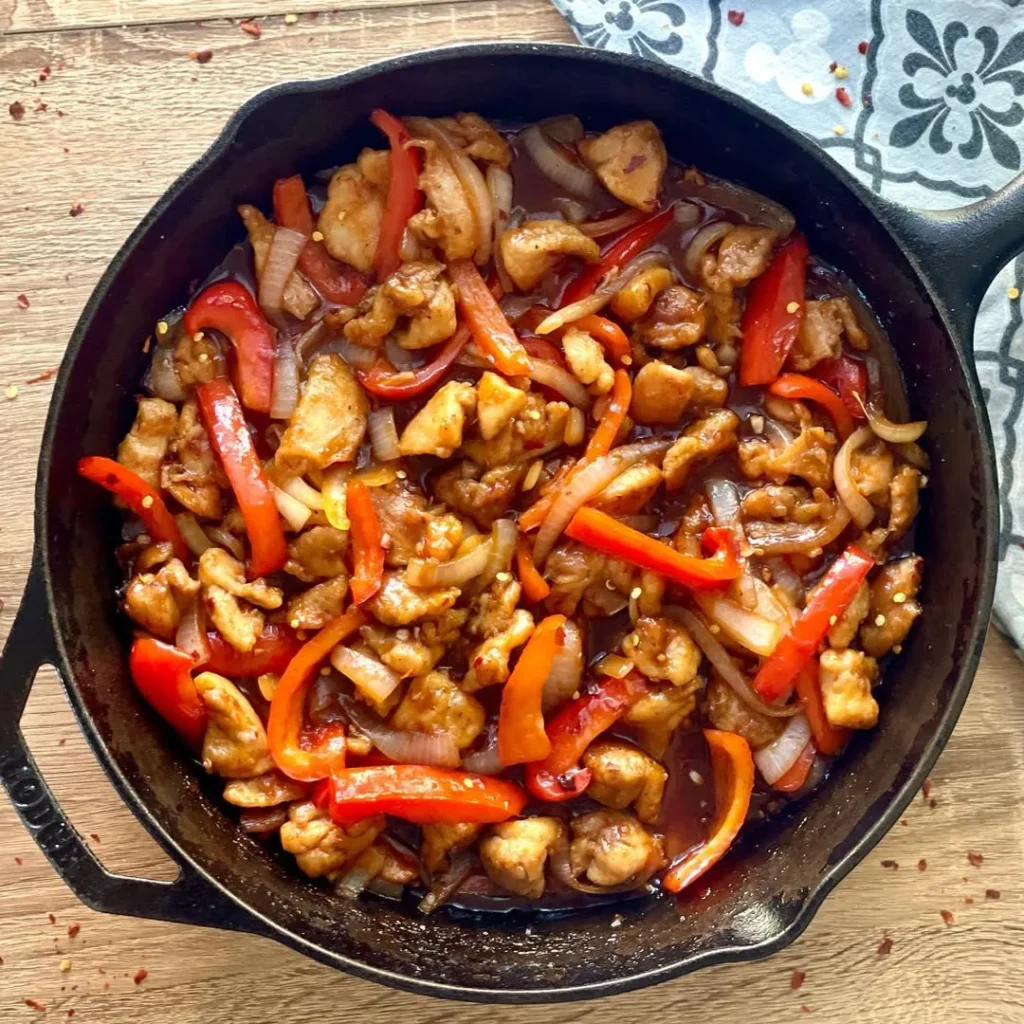
Sweet chili chicken stir fry is tender strips of golden chicken tossed with crisp bell peppers, snap peas, and broccoli in a bold, sticky sweet chili sauce that glazes every piece with heat, sweetness, and garlic in equal measure. The chicken is seared until golden at the edges. The vegetables stay bright and just tender with a satisfying crunch that holds against the sauce. Every forkful has something from every part of the pan.
This is the stir fry that ends the takeaway habit. Sweet chili sauce from a bottle gets amplified with garlic, ginger, soy, and a splash of rice vinegar into something that tastes made from scratch. The wok does the rest. High heat, fast cooking, one pan from start to finish.
Ten minutes to prep. Fifteen minutes at the stove. A stir fry that is faster, bolder, and better than anything that arrives in a paper bag.
Why You Will Love This Recipe
Sweet chili chicken stir fry earns its place at the top of the weeknight rotation. Here is what makes this recipe worth making.
Everything happens in one pan. The chicken sears in it. The vegetables cook in it. The sauce reduces in it. One pan, four servings, minimal washing up.
The sauce is five minutes of work. Sweet chili sauce as the base, amplified with garlic, ginger, soy sauce, and a splash of rice vinegar. More complex than anything from a bottle. Less effort than anything made entirely from scratch.
High heat is the secret and it costs nothing. Stir fry is not slow cooking. Two minutes per vegetable. One pan at screaming hot temperature. Fast cooking preserves crunch, color, and flavor in a way that lower heat simply cannot.
It is a meal prep vehicle. Cook once. Eat from containers all week. The sauce reheats beautifully and the vegetables hold better than most stir fry dishes because they were not overcooked in the first place.
The vegetables are genuinely flexible. Whatever is in the fridge goes into the wok. The method and sauce stay the same. A different dinner every week from the same recipe.
Ingredients
For the chicken:
- 700g boneless, skinless chicken thighs or breast, thinly sliced against the grain
- 1 tablespoon soy sauce
- 1 tablespoon cornstarch
- ½ teaspoon garlic powder
- ½ teaspoon white pepper
- 1 tablespoon neutral oil for cooking
For the sweet chili sauce:
- ½ cup (120ml) sweet chili sauce
- 3 tablespoons soy sauce
- 2 tablespoons rice vinegar
- 1 tablespoon honey
- 1 tablespoon sesame oil
- 4 garlic cloves, minced
- 1 tablespoon fresh ginger, grated
- 1 teaspoon cornstarch mixed with 2 tablespoons cold water
For the stir fry:
- 2 tablespoons neutral oil, divided
- 1 medium onion, sliced into thin wedges
- 1 red bell pepper, thinly sliced
- 1 yellow bell pepper, thinly sliced
- 2 cups (180g) broccoli florets, cut small
- 1½ cups (150g) snap peas, strings removed
- 3 garlic cloves, thinly sliced
- 1 tablespoon fresh ginger, grated
For serving:
- Steamed jasmine rice or noodles
- Thinly sliced spring onions
- Sesame seeds, toasted
- Fresh cilantro (optional)
- Lime wedges
- Chili oil or extra sweet chili sauce on the side
Equipment Needed
- Wok or large skillet (12 inch / 30 cm minimum) — a wok is ideal for high-heat stir fry
- Small bowl for the sauce
- Medium bowl for marinating chicken
- Whisk or fork
- Sharp knife and cutting board
- Tongs or wok spatula
- Measuring spoons and cups
Instructions
Step 1: Slice the chicken thinly against the grain into strips no thicker than 1 cm. Thin, even slices cook quickly and evenly. Thick uneven pieces cook at different rates and produce some overdone and some underdone in the same pan.
Step 2: Toss the sliced chicken with soy sauce, cornstarch, garlic powder, and white pepper. Mix well so every piece is coated. The cornstarch creates a light coating that protects the chicken from the high heat and helps the sauce cling. Rest for 10 minutes while you prepare everything else.
Step 3: Whisk together the sweet chili sauce, soy sauce, rice vinegar, honey, sesame oil, minced garlic, and grated ginger in a small bowl. Whisk in the cornstarch slurry. Set aside. The sauce is ready.
Step 4: Prepare all vegetables before the wok goes on the heat. Slice the onion into thin wedges. Slice the bell peppers. Cut the broccoli into small florets. Remove the strings from the snap peas. Slice the garlic. Grate the ginger. Once the wok is hot there is no time for any of this.
Step 5: Heat the wok or skillet over the highest heat your stove produces. Add 1 tablespoon of neutral oil. When the oil shimmers and just begins to smoke, the wok is ready. This must be genuinely hot — not warm, not moderately high — screaming hot.
Step 6: Add the chicken in a single layer. Leave space between pieces. If the wok is not large enough, cook the chicken in two batches. Cook for 2–3 minutes without moving until golden underneath.
Step 7: Toss and cook for another 1–2 minutes until the chicken is cooked through, golden all over, and beginning to caramelize at the edges. Remove the chicken from the wok and set aside on a plate. Do not clean the wok.
Step 8: Return the wok to high heat. Add the remaining tablespoon of oil. Add the onion and broccoli first — they need the most time. Toss continuously for 2 minutes.
Step 9: Add the bell peppers and sliced garlic. Toss for 1–2 minutes until the peppers are just beginning to soften at the edges but still bright and crisp.
Step 10: Add the snap peas and grated ginger. Toss for 60 seconds. The snap peas need very little time. They should be bright green, just warmed through, and still completely crunchy.
Step 11: Return the cooked chicken to the wok. Pour the sweet chili sauce over everything. Toss vigorously for 60–90 seconds until the sauce coats every piece of chicken and vegetable, reduces slightly, and becomes sticky and glossy. The cornstarch in the sauce thickens it quickly — do not let it reduce too long or it will become too thick and clump.
Step 12: Taste. Adjust with an extra splash of soy sauce for saltiness, a squeeze of lime for brightness, or an extra drizzle of sweet chili sauce for more sweetness and heat.
Step 13: Remove from heat immediately. Serve over steamed jasmine rice or noodles. Scatter toasted sesame seeds and sliced spring onions over the top. Add fresh cilantro and lime wedges on the side. Serve immediately.
Substitutes & Swaps
Chicken thighs: Chicken breast works — slice thinly and watch closely as breast dries out faster than thigh at high heat. Prawns work for a completely different but excellent version — they cook in 90 seconds per side. Firm tofu, pressed, dried, and cubed, caramelizes in sweet chili sauce for a fully plant-based version.
Sweet chili sauce: Mae Ploy is the gold standard brand and widely available. Any brand works. Adjust the quantity to your preferred level of heat and sweetness. If your sauce is very sweet, add an extra splash of rice vinegar to balance.
Rice vinegar: White wine vinegar works at the same quantity. A small squeeze of lime juice gives a similar brightness with a more tropical character.
Broccoli: Cauliflower florets, cut small, work identically in timing and texture. Broccolini works and looks elegant. Baby corn adds sweetness and a different crunch.
Snap peas: Snow peas work and need the same cook time. Frozen edamame, thawed, adds protein and a slightly different texture. Mangetout is an excellent substitute.
Bell peppers: Any color works. Green peppers are less sweet and more bitter — a deliberate choice for a less sweet overall flavor profile. Thinly sliced zucchini softens quickly and works well as an addition or substitute.
Sesame oil: Leave it out if unavailable. It adds a nutty finish but the dish works without it. Do not substitute with regular oil — the flavor is completely different.
Variations
Sweet Chili Beef Stir Fry: Replace chicken with thinly sliced beef sirloin or flank steak. The same marinade and sauce work perfectly. Beef cooks faster than chicken — 60–90 seconds per side on the highest heat. Do not overcook.
Sweet Chili Prawn Stir Fry: Use 600g large raw prawns, peeled and deveined. Skip the marinade entirely — just season with salt and pepper. Cook for 90 seconds per side. Add to the vegetables with the sauce. The prawns cook so quickly they can go in at the very end.
Sweet Chili Tofu Stir Fry: Press extra-firm tofu for 20 minutes. Cut into cubes. Toss with cornstarch, salt, and garlic powder. Pan-fry in oil until golden and crispy on all sides before adding to the vegetables. Use the same sweet chili sauce. Fully plant-based and genuinely satisfying.
Noodle Stir Fry: Cook egg noodles or rice noodles separately until just under done. Add them to the wok after the sauce goes in and toss everything together for 1 minute. The noodles absorb the sauce and become the vehicle rather than rice being the base.
Pineapple Sweet Chili Stir Fry: Add 1 cup of fresh or canned pineapple chunks to the wok with the bell peppers. The pineapple caramelizes in the heat and its acidity cuts the sweetness of the chili sauce. Tropical, bright, and excellent.
Extra Spicy Version: Add 2–3 finely sliced fresh red chilies to the wok with the garlic. Add a tablespoon of chili garlic sauce or sambal oelek to the sweet chili sauce base. Drizzle chili oil over the finished bowl. Bold, fiery, and deeply good.
Tips & Tricks
Velvet the chicken with cornstarch. Tossing raw chicken in soy sauce and cornstarch before cooking is a technique called velveting. The cornstarch forms a thin, protective coating that locks moisture inside the chicken during the fierce heat of stir frying. The result is chicken that stays tender and juicy even at high temperature. This single step separates good stir fry from great stir fry.
Prep everything before the wok goes on. This is not negotiable in stir fry cooking. Once the heat is on, everything moves fast. Vegetables go in by the handful every 60–90 seconds. There is no time to slice, measure, or find anything. Everything must be chopped, sauced, and within arm’s reach before the oil goes in.
Use the highest heat your stove can produce. Stir fry is a high-heat cooking method. The Chinese term for the flavor produced by a screaming hot wok is wok hei — the breath of the wok. It is a slightly smoky, deeply savory quality that only comes from intense heat. A moderately hot pan cannot replicate it. Maximum heat, every time.
Cook in batches rather than crowding. A crowded wok drops in temperature dramatically when cold ingredients are added. The vegetables steam rather than sear. The chicken poaches rather than caramelizes. Two shorter, hotter batches are always better than one long, crowded one.
Add vegetables in order of cooking time. Dense, hard vegetables go in first — broccoli, onion, carrot. Medium vegetables go in next — bell peppers, zucchini, baby corn. Delicate, fast-cooking vegetables go in last — snap peas, spinach, bean sprouts. This order produces every vegetable at the correct texture simultaneously.
Do not over-reduce the sauce. The cornstarch thickens the sauce quickly in the heat of the wok. Once the sauce looks glossy and is coating every piece of food, take the wok off the heat immediately. An extra 30 seconds produces sauce that is too thick, sticky, and clumped rather than glossy and flowing.
Serve the moment it leaves the wok. Stir fry waits for nothing. The residual heat continues cooking the vegetables from the moment the wok leaves the burner. The crunch that took precise timing to achieve disappears within a few minutes. Have the rice ready, the bowls warm, and everyone at the table before the oil goes in.
Nutrition Information (Per Serving)
| Nutrient | Amount |
|---|---|
| Calories | 410 kcal |
| Total Fat | 14g |
| Saturated Fat | 2g |
| Carbohydrates | 38g |
| Fibre | 4g |
| Sugars | 22g |
| Protein | 33g |
| Sodium | 890mg |
Nutrition is based on one serving of chicken and vegetables in sweet chili sauce, without rice, noodles, or optional toppings.
Frequently Asked Questions (FAQs)
Can I use a regular skillet instead of a wok?
Yes. A 12-inch cast iron or stainless steel skillet works well. The key is maximum heat. A non-stick pan is not ideal for stir fry — non-stick coatings degrade at the very high temperatures stir fry requires and most are not rated for it. Cast iron or stainless steel over the highest heat available produces the best result without a wok.
My vegetables turned soggy. What went wrong?
The wok was overcrowded or the heat was too low. Both problems cause the same result — the vegetables release moisture, which creates steam, which cooks them slowly and softens them rather than searing them quickly and keeping them crisp. Cook in batches over maximum heat and move fast.
How do I make this less sweet?
Reduce the sweet chili sauce to ⅓ cup and increase the soy sauce and rice vinegar slightly. Add a tablespoon of oyster sauce for savory depth without sweetness. The balance point between sweet, salty, and acidic is adjustable — taste the sauce before it goes in and make changes there, not in the wok.
Can I make this ahead for meal prep?
Yes, with one adjustment. Slightly undercook the vegetables — pull them out of the wok 30 seconds earlier than you normally would. They will finish cooking when reheated. Store the stir fry in an airtight container in the fridge for up to 4 days. Reheat in a hot skillet with a splash of water for 2–3 minutes rather than microwaving — the skillet restores the glaze without making it gluey.
What is the best way to slice chicken thinly?
Place the chicken in the freezer for 15–20 minutes before slicing. Partially frozen chicken is significantly firmer and easier to slice into thin, even strips. Use a sharp knife and slice against the grain — perpendicular to the direction the muscle fibers run. Slicing with the grain produces chewier, tougher strips.
Can I add noodles directly to the stir fry?
Yes. Cook the noodles until just under done — they will finish in the wok. Add them after the sauce goes in and toss everything together for 60–90 seconds. Rice noodles, egg noodles, and udon all work. The noodles absorb the sweet chili sauce and become the vehicle for the flavor rather than plain rice being the base. A completely different and excellent result.
How do I reduce the sodium in this dish?
Use low-sodium soy sauce throughout. Reduce the soy sauce in the sauce to 2 tablespoons and compensate with a little extra rice vinegar for brightness. The sweet chili sauce also contains sodium — look for a reduced-sodium version if available.
The Wok That Ends the Paper Bag Habit
Twenty-five minutes. One wok. Chicken that caramelizes at the edges. Vegetables that stay bright and crunchy. A sauce so glossy and sticky and bold it coats the back of a spoon and still manages to be brighter and lighter than anything sitting in a delivery bag getting cold in a car somewhere.
Make it on a weeknight when the energy is low and the craving is high. Make extra and eat from containers all week. Make it for someone who says they only order stir fry because making it at home never tastes right.
It will taste right. It will taste better.
Made this sweet chili chicken stir fry? Tell me in the comments what vegetables you used, whether you served it over rice or noodles, and how fast the wok emptied. I want to hear every detail.
Sweet Chili Chicken Stir Fry
Ingredients
- Chicken:
- 700 g boneless skinless chicken thighs or breast, thinly sliced
- 1 tablespoon soy sauce
- 1 tablespoon cornstarch
- ½ teaspoon garlic powder
- ½ teaspoon white pepper
- 1 tablespoon neutral oil
- Sweet Chili Sauce:
- ½ cup sweet chili sauce
- 3 tablespoons soy sauce
- 2 tablespoons rice vinegar
- 1 tablespoon honey
- 1 tablespoon sesame oil
- 4 garlic cloves minced
- 1 tablespoon fresh ginger grated
- 1 teaspoon cornstarch mixed with 2 tablespoons cold water
- Stir Fry:
- 2 tablespoons neutral oil divided
- 1 medium onion sliced into thin wedges
- 1 red bell pepper thinly sliced
- 1 yellow bell pepper thinly sliced
- 2 cups broccoli florets cut small
- 1½ cups snap peas strings removed
- 3 garlic cloves thinly sliced
- 1 tablespoon fresh ginger grated
- Serving:
- Steamed jasmine rice or noodles
- Spring onions thinly sliced
- Sesame seeds toasted
- Fresh cilantro optional
- Lime wedges
- Chili oil or extra sweet chili sauce
Instructions
- Slice chicken thinly against the grain. Toss with soy sauce, cornstarch, garlic powder, and white pepper. Rest 10 minutes.
- Whisk sweet chili sauce, soy sauce, rice vinegar, honey, sesame oil, garlic, ginger, and cornstarch slurry together. Set aside.
- Prep all vegetables before heating the wok.
- Heat wok over highest heat. Add 1 tablespoon oil until shimmering and just smoking.
- Add chicken in a single layer. Cook 2–3 minutes without moving until golden underneath.
- Toss and cook 1–2 minutes until cooked through and caramelized at the edges. Remove and set aside.
- Return wok to high heat. Add remaining tablespoon of oil.
- Add onion and broccoli. Toss continuously for 2 minutes.
- Add bell peppers and sliced garlic. Toss 1–2 minutes until just softening at edges.
- Add snap peas and grated ginger. Toss 60 seconds until bright green and crunchy.
- Return chicken to the wok. Pour sauce over everything. Toss vigorously 60–90 seconds until glossy, sticky, and coating everything evenly.
- Taste and adjust with soy sauce, lime, or extra sweet chili sauce.
- Remove from heat immediately. Serve over rice or noodles topped with sesame seeds, spring onions, cilantro, and lime wedges.
Notes
- Velvet the chicken with cornstarch before cooking — it keeps the chicken juicy at high heat
- Freeze chicken for 15–20 minutes before slicing for thin, even strips
- Prep every ingredient before the wok goes on — stir fry moves too fast for mid-cook prep
- Use the highest heat your stove produces — low heat steams instead of sears
- Cook chicken in batches if the wok is not large enough — crowding drops the temperature
- Add vegetables in order of cooking time — hardest first, most delicate last
- Do not over-reduce the sauce — pull the wok off heat the moment it looks glossy
- Serve immediately — the crunch disappears within minutes of leaving the wok
- Slightly undercook vegetables if meal prepping — they finish cooking when reheated
- Reheat in a hot skillet with a splash of water, not the microwave — it restores the glaze