
Garlic Lemon Butter Tilapia (Flaky, Golden & Ready in 20 Minutes)
Prep Time: 5 minutes | Cook Time: 15 minutes | Total Time: 20 minutes | Servings: 4 | Calories: 280 kcal per serving
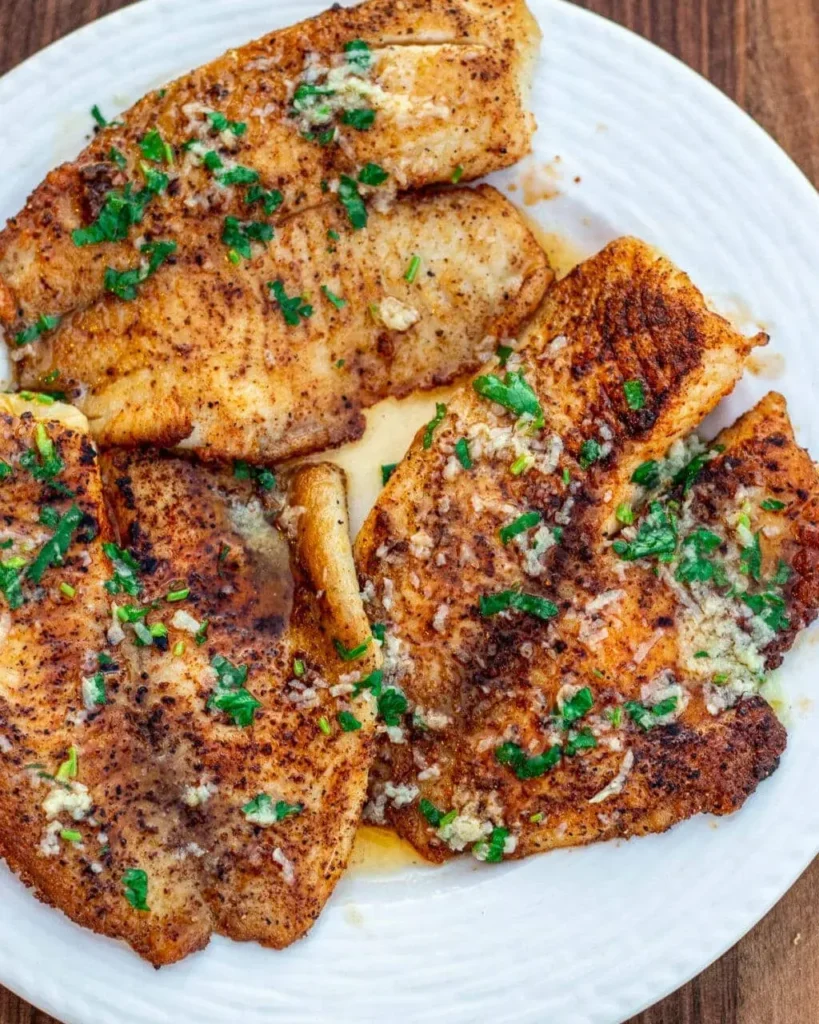
Garlic lemon butter tilapia is tender, flaky fish fillets seared until golden in a hot pan and finished in a glossy, fragrant sauce of melted butter, fresh garlic, lemon juice, and fresh herbs that pools around the fish and soaks into every flake. The crust is golden and lightly crisp. The inside is soft, white, and perfectly cooked. The sauce is bright, rich, and built entirely in the same pan in under three minutes.
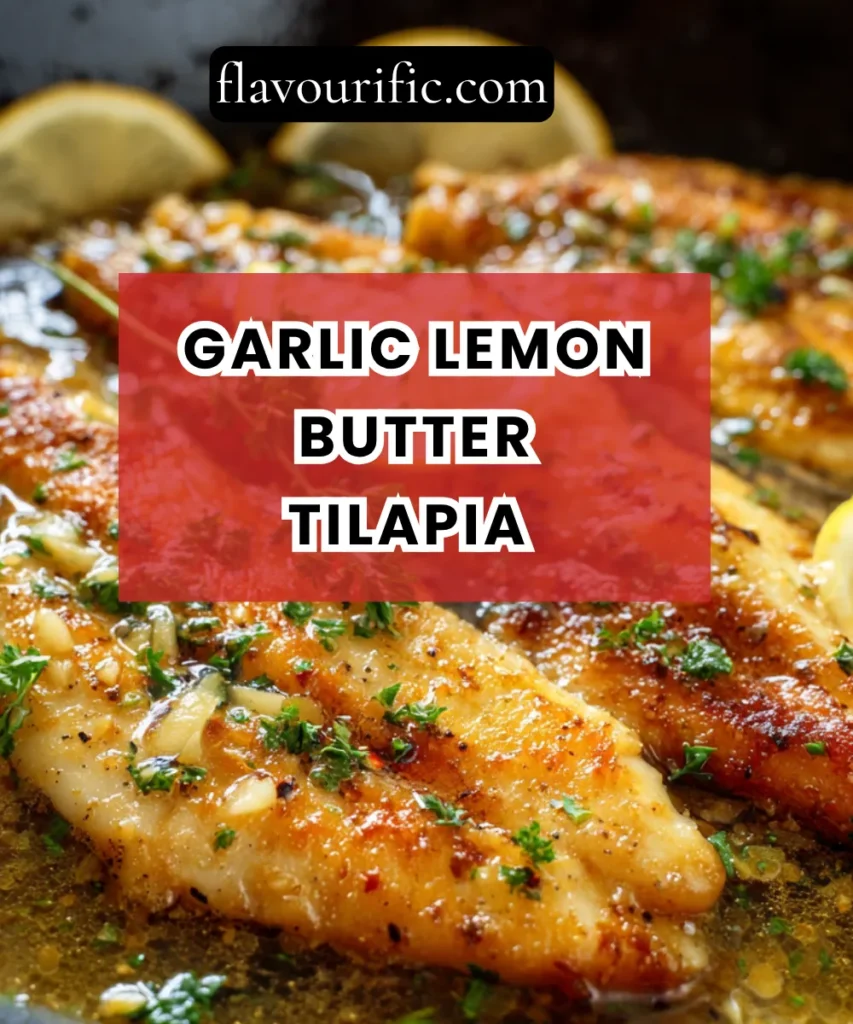
This is the fish dinner that removes every excuse for not cooking fish at home. Tilapia is mild, affordable, widely available, and forgiving. The garlic lemon butter sauce makes it extraordinary. Twenty minutes from a cold pan to a finished plate that looks and tastes like considerably more effort than it required.
Five minutes to prep. Fifteen minutes at the stove. One pan, four servings, dinner completely done.
Why You Will Love This Recipe
Garlic lemon butter tilapia earns a permanent place in your weeknight dinner rotation. Here is what makes this recipe worth making.
Tilapia is one of the most forgiving fish to cook. Mild flavor, firm-enough texture, cooks quickly and evenly, and available fresh or frozen at almost every grocery store. A perfect canvas for a bold sauce.
The sauce is built in the same pan in three minutes. The browned butter and fond left by the fish go directly into the sauce and give it a depth of flavor that did not require any additional ingredients or effort.
It is ready in twenty minutes without compromise. Not twenty minutes if you already prepped. Not twenty minutes plus waiting for something. Twenty real minutes from cold pan to the table.
It pairs with everything. Rice, pasta, roasted vegetables, steamed greens, crusty bread for mopping the sauce. The fish adapts to whatever the rest of the meal needs to be.
The sauce doubles as a reason to make extra bread. Garlic lemon butter sauce left in the pan after serving deserves bread dragged through it. Plan accordingly.
Ingredients
For the tilapia:
- 4 tilapia fillets (about 170g each), patted completely dry
- ½ teaspoon salt
- ¼ teaspoon black pepper
- ½ teaspoon garlic powder
- ½ teaspoon smoked paprika
- ¼ teaspoon onion powder
- 2 tablespoons all-purpose flour (for light dusting, optional but recommended)
- 1 tablespoon neutral oil
- 1 tablespoon unsalted butter
For the garlic lemon butter sauce:
- 4 tablespoons unsalted butter
- 5 garlic cloves, minced
- 3 tablespoons fresh lemon juice (about 1½ lemons)
- 1 teaspoon lemon zest
- ¼ cup (60ml) vegetable or chicken broth
- 1 teaspoon capers, roughly chopped (optional but excellent)
- ½ teaspoon dried thyme or fresh thyme leaves
- Salt and white pepper to taste
For finishing:
- Fresh flat-leaf parsley, finely chopped
- Extra lemon wedges
- Flaky sea salt
- Drizzle of good olive oil (optional)
Equipment Needed
- Large skillet or cast iron pan (12 inch / 30 cm)
- Fish spatula or wide, thin spatula for flipping
- Small bowl for seasoning mix
- Sharp knife and cutting board
- Microplane or zester for lemon
- Measuring spoons
- Paper towels
Instructions
Step 1: Remove the tilapia fillets from the fridge 10 minutes before cooking. Cold fish straight from the refrigerator cooks unevenly — the outside overcooks before the center is done. Ten minutes at room temperature makes a real difference.
Step 2: Pat the fillets completely dry on both sides with paper towels. This is the most important step. Moisture on the surface of the fish creates steam in the pan and prevents the golden crust from forming. Press firmly and dry thoroughly.
Step 3: Mix the salt, black pepper, garlic powder, smoked paprika, and onion powder in a small bowl. Season both sides of each fillet generously and evenly with the spice mix.
Step 4: Dust each fillet lightly with flour on both sides, shaking off the excess. The flour creates a thin crust that protects the delicate fish from the heat, helps it brown more evenly, and gives the sauce something to cling to. It is a light dusting, not a thick coating.
Step 5: Heat the neutral oil and 1 tablespoon of butter in a large skillet over medium-high heat. When the butter foams and the foam begins to subside, the pan is ready. This is the correct temperature for fish — hot enough to sear immediately, not so hot that the butter burns before the fish is in.
Step 6: Lay the fillets in the pan presentation side down — the side that will face up on the plate goes in first. This is always the smoother, more attractive side. Leave space between fillets. Do not move them.
Step 7: Cook for 3–4 minutes without touching until the underside is deep golden and the fish releases naturally from the pan. If it sticks, it is not ready. Give it another 30 seconds. A properly seared fillet releases cleanly on its own.
Step 8: Flip gently using a fish spatula, sliding it fully under the fillet before lifting. Tilapia is delicate — a partial flip breaks the fillet. Cook for another 2–3 minutes on the second side until the fish is opaque all the way through and flakes easily when pressed gently with a finger.
Step 9: Transfer the fillets to a warm plate. Do not clean the pan.
Step 10: Reduce the heat to medium. Add the 4 tablespoons of butter to the same pan. Let it melt and begin to foam. Add the minced garlic and cook for 1 minute, stirring constantly, until fragrant and just barely golden. Watch it closely — garlic goes from golden to burnt in seconds.
Step 11: Add the broth. Stir and scrape up any browned bits from the bottom of the pan. Those bits are pure flavor. Let the broth reduce for 1 minute.
Step 12: Add the lemon juice, lemon zest, capers if using, and thyme. Stir to combine. Simmer for 1 more minute until the sauce is slightly reduced and glossy. Taste and adjust with salt and white pepper.
Step 13: Return the fish fillets to the pan, presentation side up. Spoon the sauce over each fillet several times to glaze them. Let them warm in the sauce for 30 seconds without letting the sauce boil.
Step 14: Serve immediately. Scatter fresh parsley over the top. Add a wedge of lemon. Finish with a pinch of flaky sea salt and a drizzle of good olive oil if desired.
Substitutes & Swaps
Tilapia: Any thin, mild white fish works with this exact method and sauce. Sole, flounder, cod fillets cut thin, or basa all work well. Salmon works for a richer, more robust result — increase cook time to 4–5 minutes per side and the sauce becomes even more impressive against the richer fish. Trout is exceptional with this sauce.
Fresh lemon juice: Fresh is non-negotiable here. The sauce is built around the lemon and bottled lemon juice lacks the brightness and aroma that defines the dish. If you are out of lemons, use fresh lime juice for a different but equally good result.
Unsalted butter: Salted butter works — reduce the added salt in the sauce to taste. European-style butter with higher fat content gives a richer, more glossy sauce.
All-purpose flour: Rice flour gives an even lighter, crispier crust and makes the dish gluten-free. Cornstarch works at half the quantity. Omit entirely for a gluten-free version without the crust — the fish still sears well with thorough drying and a hot pan.
Capers: A small amount of finely diced cornichons gives a similar briny, sharp quality. Chopped green olives work for a more Mediterranean character. Both are optional but add a pleasing counterpoint to the richness of the butter.
Vegetable or chicken broth: Dry white wine gives a more elegant, complex sauce. Fish stock is the most classical choice. Water works in a pinch — the fond from the fish provides most of the flavor.
Variations
Lemon Butter Tilapia with Sun-Dried Tomatoes: Add 3 tablespoons of chopped sun-dried tomatoes to the sauce with the garlic. They soften in the butter and add a concentrated sweetness against the lemon. Finish with fresh basil instead of parsley.
Creamy Garlic Lemon Tilapia: After the broth reduces, add ¼ cup of heavy cream. Stir until combined and let it reduce for 1–2 minutes until the sauce coats the back of a spoon. Rich, velvety, and deeply good over pasta.
Spicy Garlic Butter Tilapia: Add ½ teaspoon of chili flakes to the pan with the garlic. Add a small squeeze of sriracha to the finished sauce. Bright, buttery, and with a clean heat that builds with each bite.
Herb Butter Tilapia: Add a generous handful of mixed fresh herbs — tarragon, chives, dill, and parsley — to the finished sauce just before spooning over the fish. Do not cook the herbs in the sauce — add them off the heat so they stay bright and fragrant.
Mediterranean Tilapia: Add cherry tomatoes halved, a handful of kalamata olives, and a pinch of dried oregano to the pan before the broth goes in. Finish with crumbled feta over the plated fish. The sauce becomes a light, briny tomato pan sauce.
Baked Garlic Lemon Butter Tilapia: Skip the stovetop sear. Place seasoned fillets in a greased baking dish. Pour the garlic lemon butter sauce over the top. Bake at 200°C (400°F) for 12–15 minutes until the fish flakes easily. Less golden but still excellent and completely hands-off.
Tips & Tricks
Take the fish out of the fridge before cooking. Ten minutes at room temperature before the fish goes in the pan is the difference between even cooking and an overcooked exterior with a cold center. This applies to all fish, not just tilapia.
Dry the fish until it is genuinely dry. Press the paper towel firmly on both sides and hold it there for a few seconds. Any moisture left on the surface creates steam the moment it hits the hot pan and prevents the crust from forming. This single step makes the difference between a golden fillet and a pale, sad one.
The flour dusting is worth doing. A light dusting of flour on the fish before it goes into the pan does three things simultaneously. It absorbs any residual surface moisture. It creates an even, thin crust that protects the delicate fish flesh from the direct heat. And it gives the garlic lemon butter sauce something to cling to when it is spooned over the top. Do not skip it.
Use a fish spatula. A regular spatula is too thick and too small to get cleanly under a delicate fish fillet. A fish spatula — thin, slotted, and flexible — slides under the fillet completely and lifts it without breaking. If you cook fish regularly, it is worth owning.
Do not rush the first side. Fish sticks to the pan when it is not ready to flip. It releases cleanly when the crust is formed. Attempting to move or flip the fish before it releases on its own breaks the crust and the fillet. Leave it alone, watch the edges, and wait for the natural release.
Build the sauce in the same pan. The browned butter, the rendered fish juices, and the caramelized bits stuck to the bottom of the pan are the foundation of a sauce that took fifteen minutes but tastes like it took an hour. Never wash the pan between the fish and the sauce.
Spoon the sauce over the fish continuously when serving. Return the fish to the pan and ladle the sauce over it repeatedly before plating. This glazes the fish, rewarms it, and ensures the sauce coats every part of the fillet. The difference between a drizzled sauce and a spooned glaze is significant.
Nutrition Information (Per Serving)
| Nutrient | Amount |
|---|---|
| Calories | 280 kcal |
| Total Fat | 18g |
| Saturated Fat | 9g |
| Carbohydrates | 5g |
| Fibre | 0g |
| Sugars | 0g |
| Protein | 28g |
| Sodium | 360mg |
Nutrition is based on one tilapia fillet with garlic lemon butter sauce, flour dusting, and seasoning. Optional toppings and serving accompaniments not included.
Frequently Asked Questions (FAQs)
Can I use frozen tilapia fillets?
Yes. Thaw completely in the fridge overnight or under cold running water for 10 minutes. Pat extremely thoroughly dry — frozen fish releases significantly more moisture than fresh as it thaws and any residual water will cause excessive steaming in the pan. Properly thawed and dried frozen tilapia produces results identical to fresh.
How do I know when the tilapia is fully cooked?
Tilapia is done when it is opaque all the way through and flakes easily when pressed gently with a finger or fork. The flesh should separate into clean, white flakes with no translucency remaining at the thickest part. If you prefer using a thermometer, the internal temperature should reach 63°C (145°F).
Can I bake this instead of cooking it in a pan?
Yes. Place seasoned, flour-dusted fillets on a greased baking sheet. Drizzle with olive oil. Bake at 200°C (400°F) for 12–15 minutes until opaque and flaking. Make the garlic lemon butter sauce separately in a small pan and pour over before serving. You lose the golden crust but gain a completely hands-off method.
My fish broke apart when I tried to flip it. What went wrong?
Either the fish was not ready to flip or the spatula was not positioned correctly. A properly seared fillet releases cleanly from the pan without force. If there is resistance, wait another 30 seconds and try again. When flipping, slide the spatula all the way under the entire fillet before lifting rather than levering from one edge.
Can I make this dairy-free?
Yes. Replace the butter entirely with good quality olive oil. Use 2 tablespoons of olive oil to sear the fish and 3 tablespoons for the sauce. The sauce will be lighter and less rich but still excellent — the garlic, lemon, and broth carry the flavor. Add an extra tablespoon of olive oil at the end off the heat for richness.
How do I store and reheat leftovers?
Store in an airtight container in the fridge for up to 2 days. Reheat gently in a covered skillet over low heat with a splash of broth or water to prevent drying. Do not microwave — it continues cooking the fish and destroys the texture. Leftover garlic lemon butter tilapia is also excellent cold and flaked over a salad with extra lemon juice.
What sides work best with this dish?
Steamed jasmine rice soaks up the sauce beautifully. Roasted asparagus or green beans alongside the fish makes a complete plate. Pasta tossed with olive oil and a little of the pan sauce is outstanding. Crusty bread for mopping the sauce is always the right answer regardless of what else is on the plate.
The Fish Dinner That Converts Non-Fish People
The hesitation around cooking fish at home is real. The smell, the sticking, the uncertainty about when it is done. This recipe removes all of it. Pat the fish dry. Season it. Put it in a hot pan. Leave it alone. Build the sauce in the same pan. Spoon it over the top.
Twenty minutes. Golden fillets. A sauce built from butter, garlic, and lemon that makes the pan look like something from a restaurant kitchen. Fresh parsley over the top. A wedge of lemon on the side.
Make it for a weeknight when you want something that feels considered without taking the whole evening. Make it for someone who claims they do not like fish and watch them ask what it was. Make it again the following week because twenty minutes is always enough time when the result is this good.
Made this garlic lemon butter tilapia? Tell me in the comments which sides you served it with, whether you added capers, and how the sauce turned out. I want to hear every detail.

Garlic Lemon Butter Tilapia
Ingredients
- Tilapia:
- 4 tilapia fillets about 170g each, patted completely dry
- ½ teaspoon salt
- ¼ teaspoon black pepper
- ½ teaspoon garlic powder
- ½ teaspoon smoked paprika
- ¼ teaspoon onion powder
- 2 tablespoons all-purpose flour for light dusting
- 1 tablespoon neutral oil
- 1 tablespoon unsalted butter
- Garlic Lemon Butter Sauce:
- 4 tablespoons unsalted butter
- 5 garlic cloves minced
- 3 tablespoons fresh lemon juice
- 1 teaspoon lemon zest
- ¼ cup vegetable or chicken broth
- 1 teaspoon capers roughly chopped (optional)
- ½ teaspoon dried or fresh thyme
- Salt and white pepper to taste
- Finishing:
- Fresh flat-leaf parsley finely chopped
- Lemon wedges
- Flaky sea salt
- Drizzle of good olive oil optional
Instructions
- Remove fish from fridge 10 minutes before cooking. Pat completely dry on both sides.
- Mix salt, pepper, garlic powder, smoked paprika, and onion powder. Season both sides of each fillet evenly.
- Dust each fillet lightly with flour on both sides. Shake off excess.
- Heat neutral oil and 1 tablespoon butter in a large skillet over medium-high. When butter foam subsides, add fillets presentation side down.
- Cook 3–4 minutes without moving until deep golden underneath and releasing naturally from the pan.
- Flip gently using a fish spatula. Cook 2–3 minutes until opaque all the way through and flaking easily.
- Transfer to a warm plate. Do not clean the pan.
- Reduce heat to medium. Add 4 tablespoons butter. When foaming, add garlic. Cook 1 minute until fragrant and barely golden.
- Add broth. Scrape up all browned bits. Reduce 1 minute.
- Add lemon juice, lemon zest, capers if using, and thyme. Stir and simmer 1 minute until slightly reduced and glossy.
- Return fish to pan presentation side up. Spoon sauce repeatedly over each fillet for 30 seconds.
- Serve immediately with fresh parsley, lemon wedges, and flaky sea salt.
Notes
- Rest fish at room temperature 10 minutes before cooking for even results
- Pat fish completely dry — any moisture prevents the golden crust from forming
- Dust lightly with flour — it creates a crust, absorbs moisture, and helps the sauce cling
- Never move the fish until it releases naturally — if it sticks, it is not ready
- Use a fish spatula — a regular spatula is too thick and breaks delicate fillets
- Build the sauce in the same pan — the fond and browned butter are the foundation of the flavor
- Never wash the pan between cooking the fish and making the sauce
- Spoon the sauce over the fish repeatedly when finishing — glazing is better than drizzling
- Use fresh lemon juice only — bottled juice lacks the brightness this sauce depends on
- Reheat leftovers gently in a covered skillet with a splash of broth — never microwave fish