
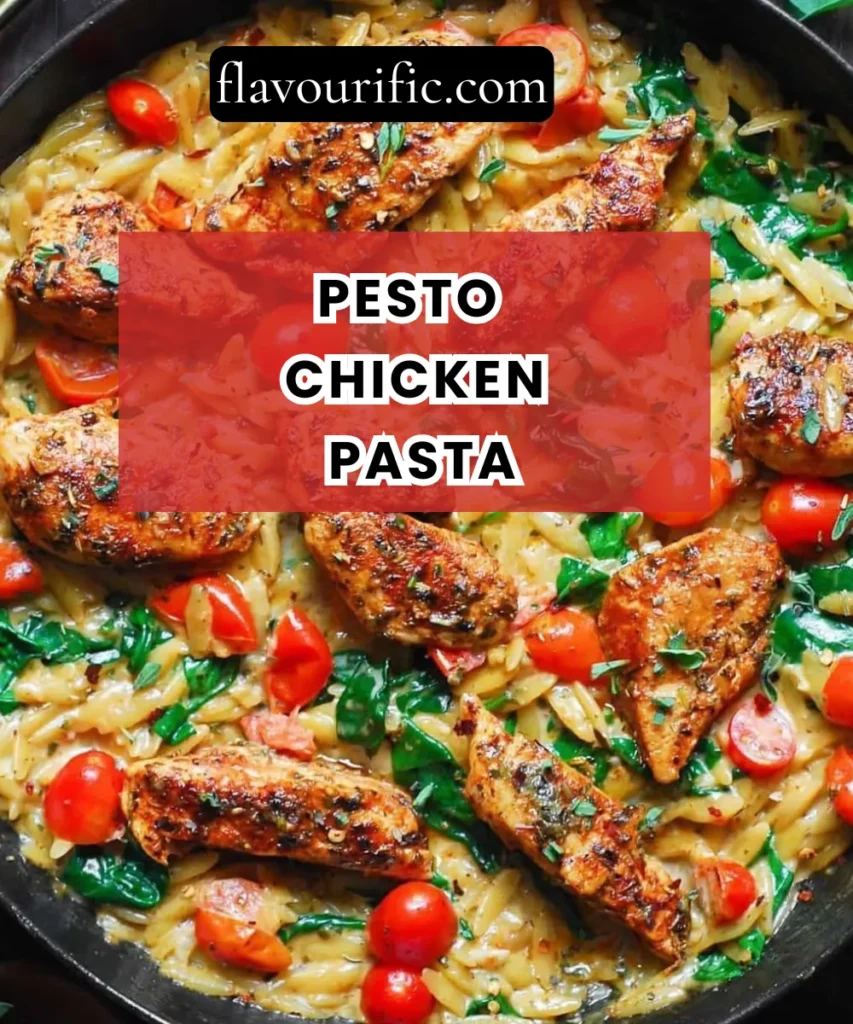
Pesto Chicken Pasta (Fresh, Garlicky & On the Table in 35 Minutes)
Prep Time: 10 minutes | Cook Time: 25 minutes | Total Time: 35 minutes | Servings: 4 | Calories: 580 kcal per serving
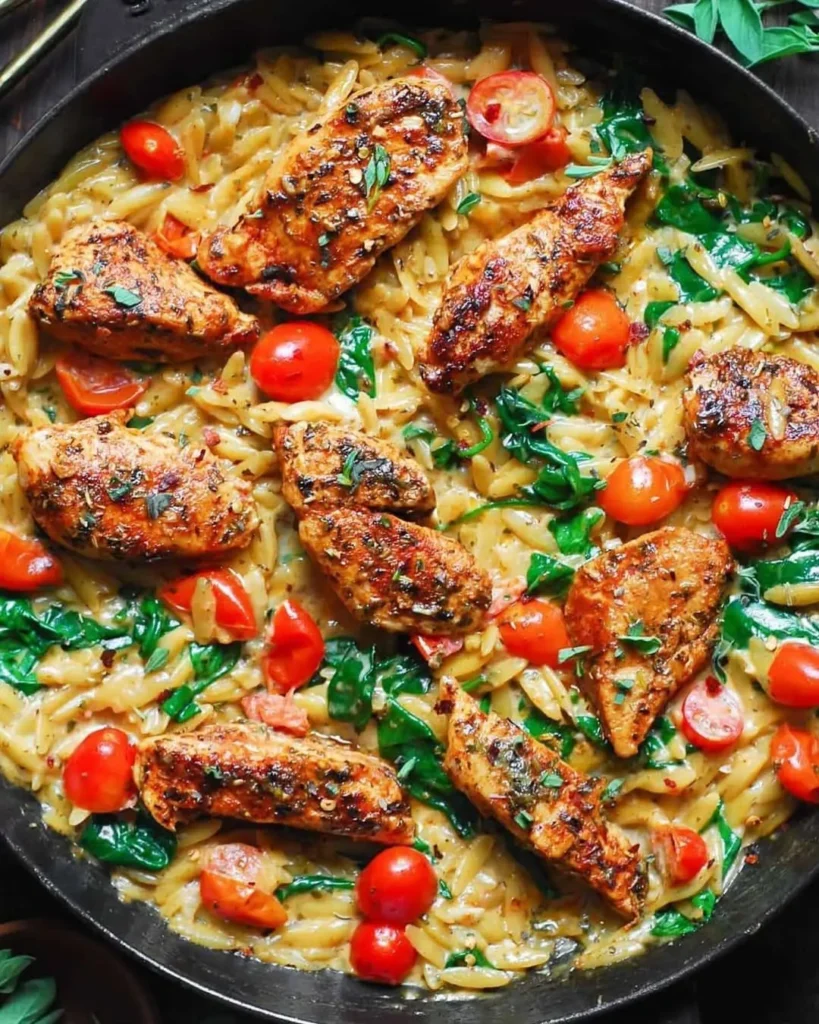
Pesto chicken pasta is golden seared chicken breast tossed with al dente pasta and a generous amount of bright, garlicky basil pesto, finished with Parmesan, a squeeze of lemon, and a handful of cherry tomatoes that burst into the sauce. The chicken is juicy and well-seasoned. The pesto clings to every piece of pasta. Every bite is fresh, herby, and deeply satisfying.
This is the pasta that tastes like summer regardless of the season. Fresh basil pesto transforms a simple chicken and pasta dish into something that feels restaurant-worthy. The method is straightforward. The result is anything but ordinary.
Ten minutes to prep. Twenty-five minutes to cook. One pan for the chicken, one pot for the pasta, dinner on the table in thirty-five minutes.
Why You Will Love This Recipe
Pesto chicken pasta earns its place as a weeknight staple. Here is what makes this recipe worth making.
It is fast without cutting corners. Thirty-five minutes and you have golden seared chicken, perfectly cooked pasta, and a vibrant pesto sauce that tastes completely fresh.
The pesto does most of the work. A good pesto brings garlic, basil, Parmesan, and olive oil all at once. The sauce is already built the moment you open the jar or finish blending.
Searing the chicken properly makes everything better. Golden crust on the outside. Juicy through the middle. Sliced and laid over the pasta so every serving gets a generous portion.
It works with store-bought or homemade pesto. Both produce an excellent result. Homemade is brighter and fresher. A good quality jarred pesto is fast and completely respectable.
The cherry tomatoes are not optional. They burst into little pockets of sweet acidity that balance the richness of the pesto. Do not leave them out.
Ingredients
For the chicken:
- 2 large chicken breasts (about 600g total), halved horizontally to make 4 thinner cutlets
- 1 teaspoon salt
- ½ teaspoon black pepper
- ½ teaspoon garlic powder
- ½ teaspoon smoked paprika
- 1 tablespoon olive oil
- 1 tablespoon unsalted butter
For the pasta:
- 400 g (14 oz) pasta — fusilli, penne, or spaghetti
- 1 tablespoon salt for the pasta water
For the sauce:
- ½ cup (130g) basil pesto, store-bought or homemade
- 1 cup (150g) cherry tomatoes, halved
- 3 garlic cloves, minced
- ¼ cup (60ml) pasta water, reserved
- 2 tablespoons olive oil
- 2 tablespoons fresh lemon juice
- ½ cup (50g) Parmesan cheese, freshly grated
For finishing:
- Extra Parmesan shavings
- Fresh basil leaves
- Lemon wedges
- Cracked black pepper
- Drizzle of olive oil
Equipment Needed
- Large pot for pasta
- Large skillet or cast iron pan (12 inch / 30 cm)
- Meat thermometer (recommended)
- Sharp knife and cutting board
- Tongs
- Measuring cups and spoons
- Colander
Instructions
Step 1: Slice each chicken breast in half horizontally to create four thinner cutlets. This is the single most important step for juicy, evenly cooked chicken. Thick breasts cook unevenly — the outside overcooks before the center is done.
Step 2: Pat the chicken completely dry with paper towels. Season both sides generously with salt, pepper, garlic powder, and smoked paprika.
Step 3: Bring a large pot of water to a boil. Add 1 tablespoon of salt. Keep it on the heat while you cook the chicken.
Step 4: Heat olive oil and butter in a large skillet over medium-high heat until the butter foams and the foam begins to subside.
Step 5: Add the chicken cutlets in a single layer. Do not move them. Cook for 4–5 minutes until a deep golden crust forms on the underside.
Step 6: Flip once. Cook for another 3–4 minutes on the second side until the internal temperature reaches 74°C (165°F). Do not press the chicken down with a spatula — pressing forces the juices out.
Step 7: Transfer the chicken to a cutting board and let it rest for 5 minutes. Resting is not optional. Cutting into chicken immediately causes all the juices to run out onto the board instead of staying in the meat.
Step 8: While the chicken rests, cook the pasta in the boiling salted water until just under al dente — about 1 minute less than the package instructions. Reserve at least ½ cup of pasta water before draining.
Step 9: In the same skillet used for the chicken, reduce the heat to medium. Add the olive oil. Add the garlic and cook for 1 minute until fragrant. Scrape up any browned bits left from the chicken — that is concentrated flavor going straight into the sauce.
Step 10: Add the cherry tomatoes. Cook for 3–4 minutes, pressing them gently until they begin to burst and release their juices.
Step 11: Add the drained pasta directly to the skillet. Add the pesto and ¼ cup of the reserved pasta water. Toss everything together over medium heat for 1–2 minutes until the pesto coats every piece of pasta and the sauce looks glossy. Add more pasta water if needed to loosen.
Step 12: Remove from heat. Add the lemon juice and grated Parmesan. Toss once more.
Step 13: Slice the rested chicken and lay it over the pasta directly in the skillet or arrange it over individual bowls.
Step 14: Finish with Parmesan shavings, fresh basil leaves, a squeeze of lemon, cracked black pepper, and a drizzle of olive oil. Serve immediately.
Substitutes & Swaps
Chicken breast: Chicken thighs work and stay juicier with less risk of drying out. Cook bone-in thighs for 6–7 minutes per side. Boneless thighs cook in the same time as breast cutlets.
Basil pesto: Sun-dried tomato pesto gives a deeper, more intense result. Rocket and walnut pesto gives a peppery, earthy flavor. Any good-quality pesto works in this recipe.
Fusilli or penne: Any medium pasta shape works well. Fusilli holds pesto in its spirals particularly well. Trofie is the traditional pairing with pesto. Spaghetti and linguine both work for a long pasta version.
Cherry tomatoes: Sun-dried tomatoes work for a more concentrated, chewy result. Roasted red peppers from a jar add sweetness and color. Halved grape tomatoes are identical in result.
Fresh lemon juice: A small splash of white wine vinegar gives a similar brightness if you are out of lemons.
Parmesan: Pecorino Romano works for a sharper, saltier finish. Grana Padano is milder and melts beautifully.
Variations
Creamy Pesto Chicken Pasta: Add ¼ cup heavy cream with the pesto in step 11. Toss until the cream blends into the pesto and coats the pasta in a rich, pale green sauce. Indulgent and deeply good.
Pesto Chicken Pasta with Spinach: Add two large handfuls of fresh spinach to the skillet with the cherry tomatoes. Stir until wilted before adding the pasta. Color, texture, and nutrition with no extra effort.
Pesto Chicken Pasta Bake: Toss everything together in a baking dish. Top with mozzarella and Parmesan. Bake at 190°C (375°F) for 20 minutes until bubbling and golden on top. A crowd-pleasing one-dish dinner.
Cold Pesto Pasta Salad: Let the pasta cool completely. Toss with pesto, cherry tomatoes, sliced cooked chicken, and extra olive oil. Serve cold as a pasta salad. Excellent for meal prep and picnics.
Pesto Chicken Orzo: Swap pasta for orzo. Cook the orzo directly in broth for extra flavor. Finish with pesto, chicken, and Parmesan. Lighter and brothier than traditional pasta.
With Roasted Vegetables: Add roasted zucchini, asparagus, or bell pepper on top when serving. The sweetness of roasted vegetables plays beautifully against the herby pesto.
Tips & Tricks
Slice the chicken horizontally before cooking. Thick chicken breasts are the enemy of juicy, evenly cooked chicken. Halving them horizontally creates thinner cutlets that cook through quickly and evenly without drying out. This single step changes the result completely.
Pat the chicken dry before seasoning. Moisture on the surface of the chicken creates steam in the pan instead of a sear. A dry surface browns immediately on contact with the hot pan. Always pat dry.
Do not move the chicken once it goes in. Leave it alone. The crust releases naturally from the pan when it is ready to flip. If you try to move it and it sticks, it is not ready. Wait another 30 seconds and try again.
Always rest the chicken. Five minutes on a cutting board before slicing makes the difference between juicy and dry. The muscle fibers need time to reabsorb the juices that were pushed to the center during cooking.
Use the pasta water. Pesto can seize and clump when it hits hot pasta without enough moisture. Pasta water loosens the pesto, helps it coat evenly, and creates a glossy rather than gloopy sauce. Add it gradually.
Add pesto off direct high heat. Overheating pesto dulls the fresh basil color and flavor. Combine the pesto with the pasta over medium heat and remove from the burner quickly. The pasta’s residual heat does the rest.
Taste the pesto before you add it. Pesto intensity varies significantly between brands and batches. Taste it first, then decide how much to use. Too little and the dish is bland. Too much and it overwhelms everything.
Nutrition Information (Per Serving)
| Nutrient | Amount |
|---|---|
| Calories | 580 kcal |
| Total Fat | 22g |
| Saturated Fat | 5g |
| Carbohydrates | 58g |
| Fibre | 4g |
| Sugars | 4g |
| Protein | 38g |
| Sodium | 560mg |
Nutrition is based on one serving made with chicken breast, fusilli, basil pesto, cherry tomatoes, and Parmesan, without optional toppings.
Frequently Asked Questions (FAQs)
Can I use rotisserie chicken instead of cooking fresh?
Yes. Shred or slice rotisserie chicken and add it in step 13 directly over the finished pasta. Skip steps 1 through 7 entirely. The dish is faster and still excellent. The seared chicken gives better texture but rotisserie gives better convenience.
How do I stop the pesto from turning dark and dull?
Do not cook the pesto over high heat and do not add it too early. Pesto should go in at the very end over medium heat and stay on the heat for no longer than 1–2 minutes. High heat oxidizes the basil and turns the sauce from bright green to a dull, muddy color.
Can I make this ahead?
The pasta is best served fresh. If meal prepping, cook and slice the chicken ahead and store it separately. Cook fresh pasta when ready to serve and assemble the dish at the end. Leftover assembled pasta can be stored in the fridge for up to 3 days — reheat gently with a splash of water or olive oil.
My pesto sauce looks clumped and dry on the pasta. What do I do?
Add pasta water a tablespoon at a time while tossing over medium heat. The starchy water loosens the pesto and helps it coat the pasta evenly. This is always the fix for a dry or clumped pesto pasta.
Can I make my own pesto for this recipe?
Yes, and homemade pesto is noticeably fresher and brighter. Blend 2 cups fresh basil, 2 garlic cloves, ¼ cup pine nuts, ½ cup Parmesan, and ½ cup olive oil until smooth. Season with salt and lemon juice. Makes slightly more than needed — store the rest in the fridge with a thin layer of olive oil on top to prevent browning.
What is the best pasta shape for pesto?
Fusilli is ideal — the spirals trap pesto in every twist. Trofie is the classic Ligurian pairing with basil pesto. Penne, farfalle, and casarecce all hold pesto well. Long pasta like spaghetti works but pesto clings less effectively to smooth strands.
Can I freeze leftovers?
Freeze the cooked chicken separately, tightly wrapped, for up to 2 months. Do not freeze pasta dressed in pesto — it becomes watery and the pesto loses its color and fresh flavor when thawed. Cook fresh pasta when ready to serve with the frozen and reheated chicken.
The Pasta That Feels Like a Restaurant and Cooks Like a Weeknight
Thirty-five minutes. One skillet, one pot. Golden chicken with a sear that sounds like applause when it hits the pan. Pesto that turns pasta from a side dish into the main event. Cherry tomatoes that add exactly the sweetness and acidity the dish needs.
Make it on a Tuesday and feel unreasonably pleased with yourself. Make it for guests on a Friday and accept the compliments graciously. Make a double batch and eat cold pesto pasta salad out of the fridge the next day.
It is the pasta that makes the effort feel worth it every single time.
Made this pesto chicken pasta? Tell me in the comments what pesto you used, which pasta shape you chose, and what you added to the bowl. I want to know every detail.
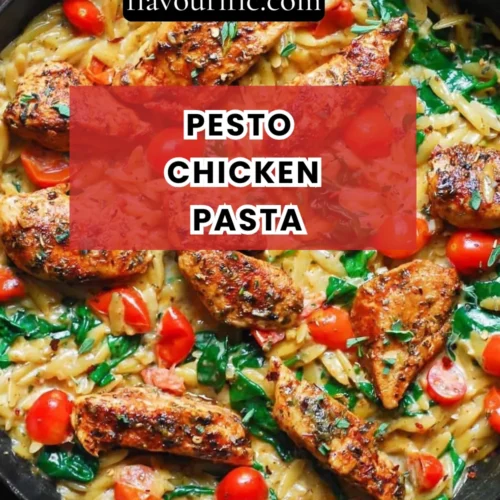
Pesto Chicken Pasta
Ingredients
- Chicken:
- 2 large chicken breasts about 600g, halved horizontally into 4 cutlets
- 1 teaspoon salt
- ½ teaspoon black pepper
- ½ teaspoon garlic powder
- ½ teaspoon smoked paprika
- 1 tablespoon olive oil
- 1 tablespoon unsalted butter
- Pasta:
- 400 g fusilli penne, or spaghetti
- 1 tablespoon salt for the pasta water
- Sauce:
- ½ cup basil pesto store-bought or homemade
- 1 cup cherry tomatoes halved
- 3 garlic cloves minced
- ¼ cup pasta water reserved
- 2 tablespoons olive oil
- 2 tablespoons fresh lemon juice
- ½ cup Parmesan cheese freshly grated
- Finishing:
- Parmesan shavings
- Fresh basil leaves
- Lemon wedges
- Cracked black pepper
- Drizzle of olive oil
Instructions
- Slice chicken breasts in half horizontally to make 4 thin cutlets. Pat dry. Season both sides with salt, pepper, garlic powder, and smoked paprika.
- Bring a large pot of salted water to a boil.
- Heat olive oil and butter in a large skillet over medium-high until butter foams.
- Add chicken cutlets in a single layer. Do not move. Cook 4–5 minutes until golden underneath.
- Flip once. Cook 3–4 minutes until internal temperature reaches 74°C (165°F).
- Transfer to a cutting board. Rest 5 minutes. Do not cut yet.
- Cook pasta in boiling salted water until just under al dente. Reserve ½ cup pasta water before draining.
- In the same skillet, reduce to medium heat. Add olive oil and garlic. Cook 1 minute, scraping up browned bits.
- Add cherry tomatoes. Cook 3–4 minutes, pressing gently until they burst.
- Add drained pasta, pesto, and ¼ cup pasta water. Toss over medium heat 1–2 minutes until glossy and evenly coated.
- Remove from heat. Add lemon juice and Parmesan. Toss once more.
- Slice rested chicken and lay over the pasta.
- Finish with Parmesan shavings, fresh basil, lemon wedge, cracked pepper, and a drizzle of olive oil. Serve immediately.
Notes
- Always slice chicken horizontally — thinner cutlets cook faster and stay juicier
- Pat chicken completely dry before seasoning — moisture prevents a proper sear
- Do not move the chicken once it hits the pan — leave it until it releases naturally
- Rest chicken 5 minutes before slicing — this keeps it juicy
- Save at least ½ cup pasta water before draining — it loosens and emulsifies the pesto
- Add pesto over medium heat only and remove from the burner quickly — high heat dulls the color and flavor
- Add pasta water gradually if the pesto looks clumped or dry
- Taste your pesto before adding — intensity varies between brands
- For homemade pesto: blend 2 cups basil, 2 garlic cloves, ¼ cup pine nuts, ½ cup Parmesan, ½ cup olive oil, salt, and lemon juice
- Store leftover assembled pasta in the fridge up to 3 days — reheat gently with a splash of olive oil or water