
Lemon Raspberry Cake (Bright, Tender & Worth Every Layer)
Prep Time: 30 minutes | Cook Time: 35 minutes | Cool and Assemble Time: 1 hour 30 minutes | Total Time: 2 hours 35 minutes | Servings: 12 | Calories: 520 kcal per serving
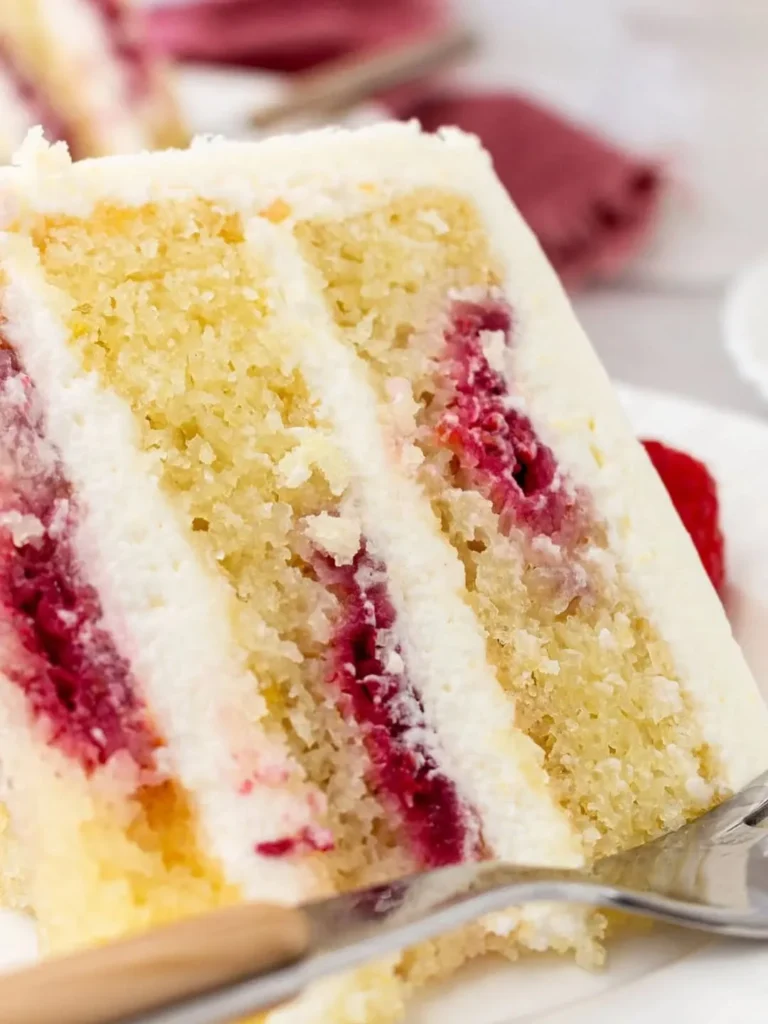
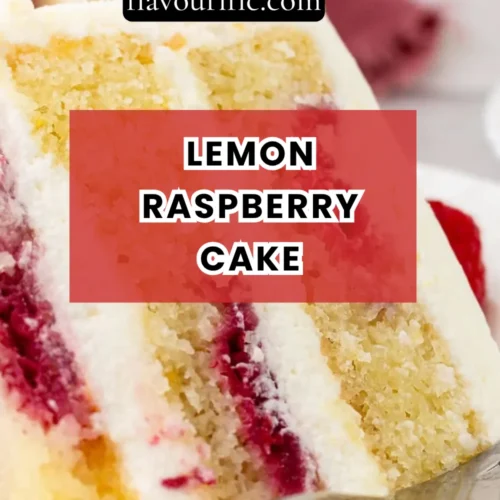
Lemon raspberry cake is three layers of soft, tender lemon sponge made with fresh lemon zest and juice, filled with a bright raspberry jam and fresh raspberry filling, and frosted in a light, silky lemon cream cheese buttercream that is tangy, sweet, and just firm enough to hold the layers together without overwhelming the delicate crumb beneath it. The cake is moist and fragrant. The raspberry filling is tart and jewel-bright. The frosting is creamy and lightly citrusy and makes the whole thing taste like the best possible version of spring on a plate.
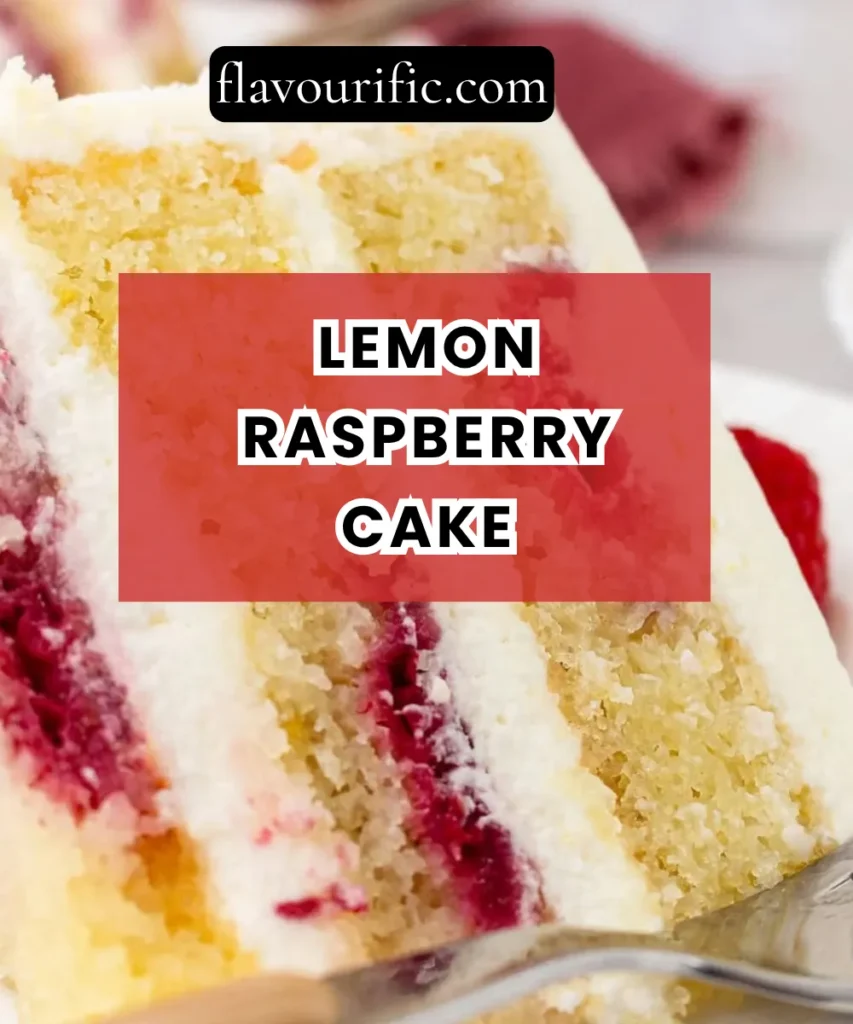
This is the cake that earns the occasion. A birthday, a celebration, a Sunday afternoon that simply deserves something beautiful coming out of the kitchen. It takes time and it is worth every minute of it.
Thirty minutes to prep. Thirty-five minutes to bake. Time to cool and assemble. A cake that looks like a bakery made it and tastes even better than it looks.
Why You Will Love This Recipe
Lemon raspberry cake rewards the effort in every single layer. Here is what makes this recipe worth making.
The lemon flavor runs through everything. The sponge. The filling. The frosting. Fresh lemon zest and juice appear at every stage so the citrus is not a background note but the main event from the first bite to the last.
The crumb is genuinely tender. Buttermilk and oil alongside the butter keep the layers moist for days longer than an all-butter cake. The sponge stays soft and springy long after baking.
The raspberry filling is bright and tart against the sweet frosting. The contrast between the tangy jam layer and the creamy lemon frosting is what makes each slice feel layered and complex rather than uniformly sweet.
The cream cheese buttercream is the frosting that converts people who claim they do not like frosting. Less sweet than a straight buttercream. Tangier. More interesting. It complements rather than competes.
The assembled cake holds for two days. It can be baked, filled, frosted, and refrigerated ahead of time. Slice it cold from the fridge and it is perfect.
Ingredients
For the lemon sponge layers:
- 2½ cups (315g) all-purpose flour
- 2½ teaspoons baking powder
- ½ teaspoon baking soda
- ½ teaspoon salt
- 1 cup (225g) unsalted butter, softened to room temperature
- 1¾ cups (350g) granulated sugar
- 4 large eggs, room temperature
- 2 tablespoons fresh lemon juice
- Zest of 3 lemons (about 3 tablespoons)
- 1 teaspoon pure vanilla extract
- 1 cup (240ml) buttermilk, room temperature
- ¼ cup (60ml) neutral oil — vegetable or sunflower
For the raspberry filling:
- 1½ cups (190g) fresh raspberries, plus extra for decorating
- ½ cup (160g) good quality raspberry jam
- 1 tablespoon fresh lemon juice
- 1 teaspoon lemon zest
For the lemon cream cheese buttercream:
- 225g full-fat cream cheese, cold
- 1 cup (225g) unsalted butter, softened to room temperature
- 4 cups (480g) powdered sugar, sifted
- 2 tablespoons fresh lemon juice
- 1 tablespoon lemon zest
- 1 teaspoon pure vanilla extract
- Pinch of salt
For decorating:
- Fresh raspberries
- Thin lemon slices or twists
- Fresh mint leaves (optional)
- Extra lemon zest over the top
Equipment Needed
- Three 8-inch (20 cm) round cake pans
- Parchment paper
- Stand mixer or electric hand mixer
- Large mixing bowl and medium mixing bowls
- Rubber spatula
- Wire racks for cooling
- Offset spatula for frosting
- Cake turntable (helpful but not essential)
- Piping bag and tip (optional for decoration)
- Sharp serrated knife for leveling layers if needed
Instructions
Step 1: Preheat the oven to 175°C (350°F). Grease three 8-inch cake pans. Line the bottoms with parchment paper circles. Grease the parchment. Flour the pans lightly and tap out the excess. This combination of grease, parchment, and flour guarantees clean release every time.
Step 2: Whisk together the flour, baking powder, baking soda, and salt in a medium bowl. Set aside.
Step 3: Rub the lemon zest into the granulated sugar with your fingertips for about 1 minute until the sugar looks slightly damp and fragrant. This breaks open the zest cells and releases the essential oils directly into the sugar, intensifying the lemon flavor throughout the entire cake.
Step 4: Beat the softened butter and lemon sugar together in a stand mixer fitted with the paddle attachment on medium-high speed for 4–5 minutes until very pale, light, and fluffy. Do not rush this step. Proper creaming traps air and is responsible for the lift and tender crumb of the finished cake.
Step 5: Add the eggs one at a time, beating for 30 seconds after each addition and scraping down the sides of the bowl. Add the vanilla extract and lemon juice with the last egg.
Step 6: Reduce mixer speed to low. Add the flour mixture in three additions, alternating with the buttermilk in two additions — flour, buttermilk, flour, buttermilk, flour. Begin and end with flour. Mix only until just combined after each addition. Overmixing at this stage develops gluten and produces a tough, dense cake.
Step 7: Add the neutral oil and fold in gently by hand with a rubber spatula until just incorporated. The oil adds moisture that butter alone cannot provide and keeps the crumb tender for days.
Step 8: Divide the batter evenly between the three prepared pans. Weigh the batter for precision if you have a scale — equal layers bake at the same rate and stack evenly. Smooth the tops with an offset spatula.
Step 9: Bake for 30–35 minutes until a toothpick inserted into the center comes out with just a few moist crumbs attached, the tops are lightly golden, and the edges have pulled away slightly from the sides of the pans.
Step 10: Cool in the pans for 10 minutes. Then turn out onto wire racks, peel away the parchment, and cool completely — at least 1 hour — before frosting. Warm cake melts frosting and causes layers to slide. Complete cooling is not optional.
Step 11: While the cakes cool, make the raspberry filling. Stir together the raspberry jam, fresh lemon juice, and lemon zest in a small bowl. Set aside. Keep the fresh raspberries separate — they go on the layers directly.
Step 12: Make the lemon cream cheese buttercream. Beat the cold cream cheese in the stand mixer on medium speed for 1–2 minutes until smooth with no lumps. Add the softened butter and beat together for 2–3 minutes until combined and fluffy. Do not overbeat at this stage — overbeaten cream cheese buttercream can become loose and difficult to work with.
Step 13: Reduce speed to low. Add the sifted powdered sugar one cup at a time, mixing between each addition. Add the lemon juice, lemon zest, vanilla, and salt. Increase speed to medium and beat for 1–2 minutes until the frosting is smooth, creamy, and holds its shape. If it looks too soft, refrigerate for 15 minutes before using.
Step 14: Level the cake layers if domed using a serrated knife so the stacked cake sits flat and steady. Place the first layer on a cake board or plate.
Step 15: Spread a generous layer of the lemon cream cheese buttercream over the first cake layer using an offset spatula. Create a slight border around the edge to contain the raspberry filling — pipe or spoon a ring of frosting around the perimeter of the layer as a dam.
Step 16: Spread half the raspberry jam mixture inside the frosting border. Scatter a single layer of fresh raspberries over the jam.
Step 17: Place the second cake layer on top. Repeat the frosting border, raspberry jam, and fresh raspberry filling.
Step 18: Place the third cake layer on top, bottom side up so the flat underside faces up and gives a smooth, level surface for the top of the cake.
Step 19: Apply a thin crumb coat of buttercream over the entire cake — top and sides — to seal in any crumbs. Refrigerate for 20–30 minutes until the crumb coat is firm to the touch. This step ensures the final coat of frosting is clean and smooth.
Step 20: Apply the final layer of buttercream over the top and sides of the cake. Smooth with an offset spatula or create texture with the back of a spoon for a more rustic look.
Step 21: Decorate with fresh raspberries arranged over the top, thin lemon slices or twists, fresh mint leaves if using, and a scatter of extra lemon zest.
Step 22: Refrigerate for at least 30 minutes before slicing to allow the frosting to set and the layers to firm up. Slice with a sharp knife, wiping between cuts.
Substitutes & Swaps
Buttermilk: Mix 1 cup of whole milk with 1 tablespoon of white vinegar or lemon juice. Let it sit for 5 minutes until slightly curdled. This homemade buttermilk works identically to store-bought in baking.
Fresh raspberries in the filling: Frozen raspberries work — thaw and drain them thoroughly before using to prevent excess liquid in the filling. Raspberry preserves with visible fruit work in place of the fresh and jam combination.
Neutral oil: Melted coconut oil gives a very subtle sweetness. Light olive oil works for a slightly more savory, complex result. Any neutral-flavored oil works.
Full-fat cream cheese: Do not substitute with reduced-fat cream cheese. It contains more water and produces a looser, unstable frosting that will not hold its shape on the assembled cake.
Raspberry jam in the filling: Lemon curd spread directly onto the frosting layer before the fresh raspberries gives a more intensely citrusy result. Strawberry jam with fresh raspberries gives a slightly sweeter, less tart filling.
Three 8-inch pans: Two 9-inch pans work — the layers will be thicker and need 35–38 minutes in the oven. One 9×13 inch sheet pan works for a single-layer sheet cake format — bake for 30–35 minutes. The frosting quantity remains the same.
Variations
Lemon Blueberry Cake: Replace all raspberries with fresh blueberries. Use blueberry jam in the filling. Add the zest of one extra lemon to the frosting. Stunning in summer.
Lemon Raspberry Layer Cake with Lemon Curd: Add a thin layer of homemade or store-bought lemon curd directly onto each frosting layer before the raspberry filling. The lemon curd adds an extra citrus depth that makes the filling extraordinarily complex.
Lemon Raspberry Naked Cake: Apply only a thin, intentionally imperfect layer of frosting to the sides of the assembled cake so the layers are partially visible. Pile fresh raspberries, lemon slices, and herbs on top. Rustic, beautiful, and requires less frosting.
Raspberry Lemon Sheet Cake: Bake the full batter in a greased 9×13 inch pan. Cool completely. Frost with the full quantity of lemon cream cheese buttercream. Scatter fresh raspberries over the top. Cut into squares. Simpler format, identical flavors, effortless to serve at a crowd.
Individual Lemon Raspberry Layer Smash Cakes: Bake in three 4-inch pans for two small layered cakes. Perfect for birthdays or intimate celebrations.
Tips & Tricks
Rub the lemon zest into the sugar. This is not decorative. Rubbing the zest directly into the sugar before creaming breaks open the volatile oils in the zest and releases them into the fat in the sugar. The result is a cake with a lemon flavor that permeates every crumb rather than sitting on the surface. Do not skip it.
Cream the butter and sugar properly. Four to five minutes of beating. The mixture should be noticeably paler, much lighter in texture, and almost doubled in volume by the time it is right. Undermixed butter and sugar produces a dense cake that does not rise well. The time spent here is what creates the tender, open crumb.
Alternate the flour and buttermilk additions. Starting and ending with flour protects the emulsion of the batter. Adding all the liquid at once can cause the batter to curdle and produce an uneven crumb. The alternating method keeps the batter smooth and stable throughout mixing.
Stop mixing the moment the flour disappears. Once the last flour addition goes in, mix only until no dry streaks remain. Every extra second of mixing develops more gluten and toughens the crumb. The final fold with the oil should be done by hand with a spatula for the gentlest possible incorporation.
Cool the cakes completely before assembling. One full hour minimum at room temperature. Warm layers melt the buttercream, cause the filling to run, and make the assembled cake unstable. Patience here produces a cake that stacks cleanly and slices beautifully.
Use cold cream cheese and room temperature butter for the frosting. Cold cream cheese is firm and smooth. Room temperature cream cheese becomes too soft too quickly and produces a loose, greasy frosting. The contrast between cold cream cheese and soft butter produces a frosting with the right texture — creamy and stable.
The crumb coat is not optional. A thin first coat of frosting sealed and chilled before the final coat is applied is what separates a professional-looking cake from an amateur one. It catches and seals all the loose crumbs so the final layer is clean. Twenty minutes in the fridge between coats is all it takes.
Nutrition Information (Per Serving)
| Nutrient | Amount |
|---|---|
| Calories | 520 kcal |
| Total Fat | 26g |
| Saturated Fat | 15g |
| Carbohydrates | 68g |
| Fibre | 2g |
| Sugars | 50g |
| Protein | 6g |
| Sodium | 240mg |
Nutrition is based on one slice from a 12-slice cake including sponge layers, raspberry filling, and lemon cream cheese buttercream. Decoration not included in calculation.
Frequently Asked Questions (FAQs)
Can I make this cake ahead of time?
Yes. The cake layers can be baked up to 2 days ahead, wrapped tightly in plastic wrap, and stored at room temperature or in the fridge. The frosting can be made up to 3 days ahead and refrigerated — bring to room temperature and beat briefly before using. The fully assembled and frosted cake keeps in the fridge for up to 3 days. Remove from the fridge 30 minutes before serving.
Why did my cake layers dome in the center?
The oven temperature was too high or the batter had too much leavening. A domed center means the outside set before the inside finished rising. Lower the oven temperature by 10 degrees and use an oven thermometer to verify accuracy. Domed layers can be leveled with a serrated knife before stacking with no impact on the flavor.
My cream cheese frosting is too soft and will not hold its shape. What do I do?
The cream cheese was too warm when it went in. Refrigerate the frosting for 20–30 minutes, then beat briefly again. If it is still too soft, add another ½ cup of sifted powdered sugar. Always start with cold cream cheese — it should come straight from the fridge.
Can I make this as a two-layer cake instead of three?
Yes. Divide the batter between two 9-inch pans instead of three 8-inch pans. Bake for 35–38 minutes. The layers will be thicker. The filling goes in once between the two layers. The frosting quantity remains the same.
How do I get clean slices from a layered cake?
Use a sharp knife dipped in hot water and wiped dry between every cut. The warm blade slides cleanly through the frosting and the layers without dragging. Slice the cake cold from the fridge for the cleanest possible cuts.
Can I freeze this cake?
Yes. Freeze the unfrosted layers individually, wrapped tightly, for up to 2 months. Thaw overnight in the fridge before assembling. The frosted, assembled cake can also be frozen — freeze uncovered until solid, then wrap tightly. Thaw overnight in the fridge. The texture is very close to fresh after thawing.
My cake layers are sticking to the pan even with greasing. How do I prevent this?
Use the full combination — grease the pan, line with a parchment circle, grease the parchment, then dust with flour. This four-step release system works for every cake. Skipping the parchment or the flour dusting increases the risk of sticking significantly.
The Cake That Makes the Occasion
Some recipes exist to fill a gap on the table. This is not one of them. This is the cake people photograph before cutting into. The cake someone asks for by name the following year. Three layers of lemon sponge so tender they compress gently under the fork before springing back. Raspberry filling that bleeds into the frosting at the edges of every slice in the most beautiful way. Cream cheese buttercream that makes you rethink every birthday cake you have ever had.
Make it for a birthday. Make it for a celebration. Make it on a Sunday for no occasion at all and discover that the act of making something this beautiful is its own reason.
The plate comes back empty. The requests start before the crumbs are cleared.
Made this lemon raspberry cake? Tell me in the comments how many layers you made, whether you added lemon curd, and what the reaction was when you set it on the table. I want to hear every detail.
Lemon Raspberry Cake
Ingredients
- Lemon Sponge Layers:
- 2½ cups all-purpose flour
- 2½ teaspoons baking powder
- ½ teaspoon baking soda
- ½ teaspoon salt
- 1 cup unsalted butter softened
- 1¾ cups granulated sugar
- 4 large eggs room temperature
- 2 tablespoons fresh lemon juice
- Zest of 3 lemons
- 1 teaspoon pure vanilla extract
- 1 cup buttermilk room temperature
- ¼ cup neutral oil
- Raspberry Filling:
- 1½ cups fresh raspberries plus extra for decorating
- ½ cup good quality raspberry jam
- 1 tablespoon fresh lemon juice
- 1 teaspoon lemon zest
- Lemon Cream Cheese Buttercream:
- 225 g full-fat cream cheese cold
- 1 cup unsalted butter softened
- 4 cups powdered sugar sifted
- 2 tablespoons fresh lemon juice
- 1 tablespoon lemon zest
- 1 teaspoon pure vanilla extract
- Pinch of salt
- Decorating:
- Fresh raspberries
- Thin lemon slices or twists
- Fresh mint leaves optional
- Extra lemon zest
Instructions
- Preheat oven to 175°C (350°F). Grease three 8-inch pans, line with parchment, grease parchment, dust with flour.
- Whisk flour, baking powder, baking soda, and salt together. Set aside.
- Rub lemon zest into granulated sugar with fingertips for 1 minute until fragrant and slightly damp.
- Beat butter and lemon sugar on medium-high for 4–5 minutes until very pale and fluffy.
- Add eggs one at a time, beating 30 seconds after each. Add vanilla and lemon juice with the last egg.
- Reduce to low speed. Add flour mixture and buttermilk alternately in 5 additions — flour, buttermilk, flour, buttermilk, flour. Mix just until combined after each.
- Fold in oil gently by hand with a rubber spatula until just incorporated.
- Divide batter evenly between the three prepared pans. Smooth the tops.
- Bake 30–35 minutes until a toothpick comes out with a few moist crumbs and edges have pulled from the pan.
- Cool in pans 10 minutes. Turn out onto wire racks. Cool completely — at least 1 hour.
- Stir raspberry jam, lemon juice, and lemon zest together for the filling. Keep fresh raspberries separate.
- Beat cold cream cheese until smooth. Add softened butter and beat until fluffy. Add sifted powdered sugar one cup at a time. Add lemon juice, zest, vanilla, and salt. Beat until smooth and holds its shape.
- Level cake layers with a serrated knife if domed. Place first layer on a plate or cake board.
- Spread buttercream over the first layer. Pipe a border around the edge as a dam.
- Spread half the jam mixture inside the border. Scatter fresh raspberries over the jam.
- Repeat with second layer — buttercream border, jam, fresh raspberries.
- Place third layer on top, flat side up.
- Apply a thin crumb coat of buttercream over the entire cake. Refrigerate 20–30 minutes until firm.
- Apply the final layer of buttercream. Smooth or texture as desired.
- Decorate with fresh raspberries, lemon slices, mint, and extra lemon zest.
- Refrigerate 30 minutes before slicing. Slice with a sharp knife, wiping between cuts.
Notes
- Rub lemon zest into sugar before creaming — it releases the essential oils and intensifies lemon flavor throughout
- Cream butter and sugar for the full 4–5 minutes — proper creaming creates the tender, light crumb
- Alternate flour and buttermilk additions — starting and ending with flour keeps the batter stable
- Stop mixing the moment the flour disappears — overmixing develops gluten and toughens the cake
- Cool layers completely before assembling — warm cake melts the frosting and causes sliding
- Use cold cream cheese and room temperature butter for the frosting — this produces the correct stable texture
- Never skip the crumb coat — it seals crumbs and makes the final coat clean
- Refrigerate 20–30 minutes between the crumb coat and final coat
- Slice cold from the fridge with a knife dipped in hot water and wiped dry between cuts
- The fully assembled cake keeps in the fridge for up to 3 days — remove 30 minutes before serving