
Blueberry Yogurt Cake (Moist, Tender & Effortlessly Good)
Prep Time: 15 minutes | Cook Time: 50 minutes | Total Time: 1 hour 5 minutes | Servings: 10 | Calories: 290 kcal per serving
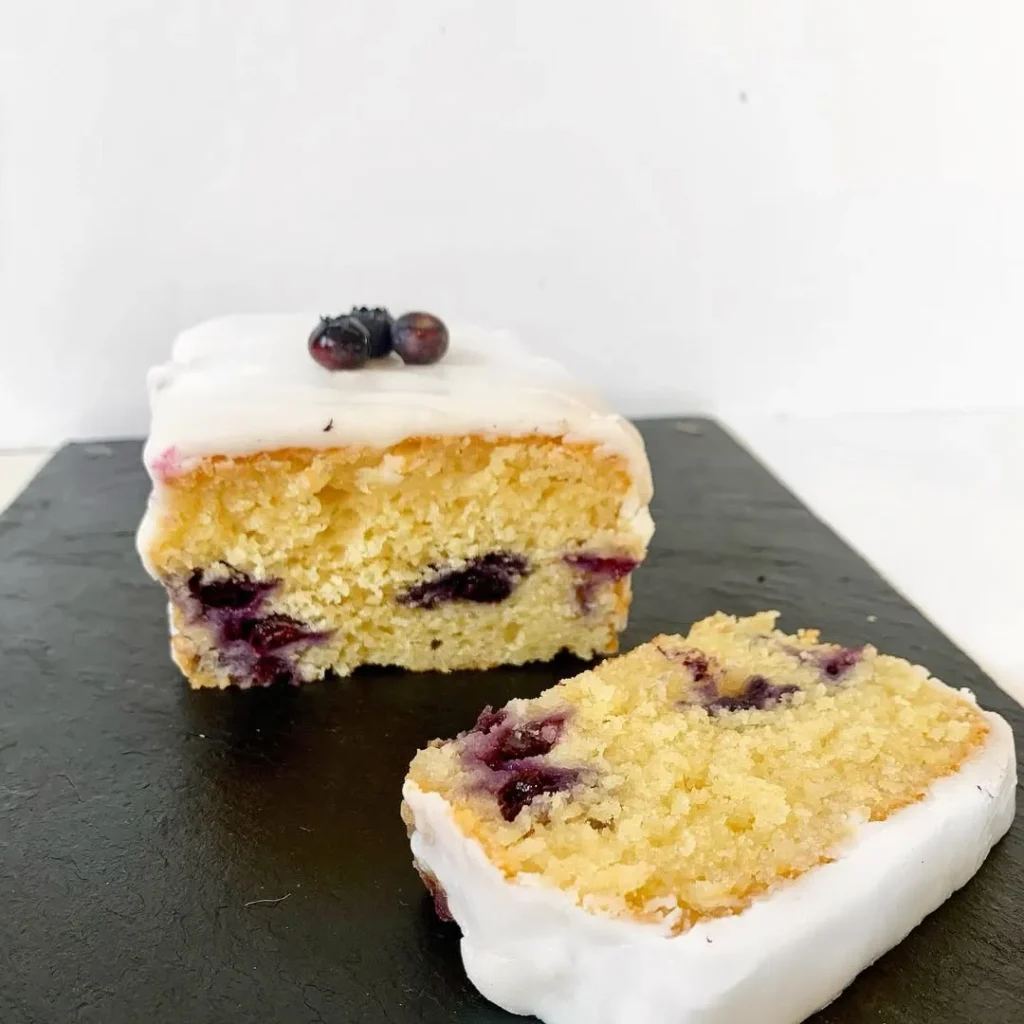
Blueberry yogurt cake is a soft, deeply moist loaf or round cake made with Greek yogurt and olive oil that produces a crumb so tender it pulls apart in clean, pillowy pieces, studded throughout with fresh blueberries that burst during baking into jammy pockets of purple-blue that bleed into the surrounding crumb.
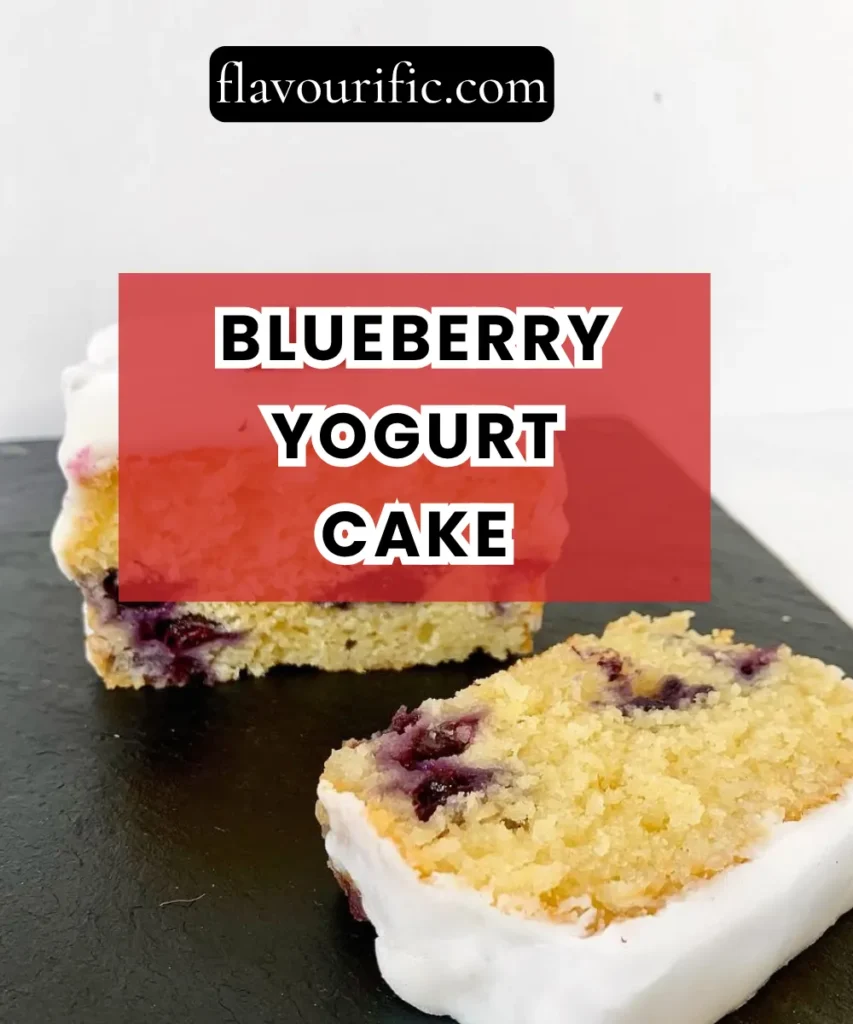
The top bakes into a golden, lightly cracked dome with a few blueberries peeking through. The inside is moist and almost custardy. The flavor is subtly tangy from the yogurt and bright from the lemon that runs through every layer.
This is the cake that requires no mixer, no special equipment, and no prior baking experience and produces something that looks and tastes genuinely considered. One bowl. A whisk. A loaf pan or round cake tin. Fifty minutes in the oven.
Fifteen minutes to prep. Fifty minutes to bake. A cake that improves overnight and stays moist for three days without trying.
Why You Will Love This Recipe
Blueberry yogurt cake belongs in your regular baking rotation from the moment you make it the first time. Here is what makes this recipe worth making.
No mixer required. Everything goes into one bowl in one order and is whisked by hand. The entire batter is ready in under ten minutes.
The yogurt does extraordinary things to the texture. Greek yogurt adds moisture, a very subtle tang, and a tenderness to the crumb that butter-based cakes without yogurt simply cannot replicate. The crumb is moist on day one, moist on day two, and still excellent on day three.
It uses olive oil instead of butter. No creaming. No waiting for butter to soften. Pour it straight in. The oil keeps the crumb moist longer than butter and produces a more delicate, yielding texture.
The lemon and blueberry combination needs no introduction. They belong together. The lemon in the batter, the lemon in the glaze, the blueberries throughout — every bite has both.
It works as breakfast, a snack, or dessert. Thick slices with morning coffee. A square with afternoon tea. A wedge with cream for dessert. The same cake at every occasion and right for all of them.
Ingredients
For the cake:
- 1½ cups (190g) all-purpose flour
- 2 teaspoons baking powder
- ¼ teaspoon baking soda
- ¼ teaspoon salt
- 1 cup (240g) full-fat Greek yogurt, room temperature
- ¾ cup (150g) granulated sugar
- 3 large eggs, room temperature
- ½ cup (120ml) mild olive oil or neutral oil
- 2 tablespoons fresh lemon juice
- Zest of 2 lemons
- 1 teaspoon pure vanilla extract
- 1½ cups (225g) fresh blueberries
- 1 tablespoon all-purpose flour (for tossing the blueberries)
For the lemon glaze:
- 1 cup (120g) powdered sugar, sifted
- 2–3 tablespoons fresh lemon juice
- 1 teaspoon lemon zest
For finishing:
- Extra fresh blueberries for the top (optional)
- Extra lemon zest
- Powdered sugar for dusting (if skipping the glaze)
Equipment Needed
- 9×5 inch (23×13 cm) loaf pan or 9-inch (23 cm) round cake pan
- Parchment paper
- Large mixing bowl
- Whisk
- Rubber spatula
- Wire rack for cooling
- Small bowl for the glaze
- Measuring cups and spoons
Instructions
Step 1: Preheat the oven to 175°C (350°F). Grease the loaf pan or cake pan generously with butter or cooking spray. Line with parchment paper, leaving an overhang on the long sides to act as handles for lifting the finished cake out cleanly. Grease the parchment.
Step 2: Whisk together the flour, baking powder, baking soda, and salt in a large bowl. Set aside.
Step 3: In a second large bowl, whisk together the Greek yogurt, granulated sugar, eggs, olive oil, lemon juice, lemon zest, and vanilla extract until completely smooth and well combined. Whisk for a full minute so the eggs are fully incorporated and the mixture is uniform.
Step 4: Pour the wet ingredients into the dry ingredients. Fold gently with a rubber spatula until just combined and no dry flour remains. Do not whisk and do not overmix. A few faint streaks are fine. Overmixing develops gluten and produces a tough, dense crumb.
Step 5: Toss the fresh blueberries with 1 tablespoon of flour in a small bowl until lightly coated. The flour coating helps the berries stay suspended throughout the batter during baking rather than sinking to the bottom. Gently fold the floured blueberries into the batter with the rubber spatula, using as few strokes as possible.
Step 6: Pour the batter into the prepared pan. Smooth the top with the spatula. If using a loaf pan, the batter should come about three-quarters of the way up the sides — it rises significantly during baking.
Step 7: Scatter a small handful of extra fresh blueberries over the surface of the batter if desired. They will sink slightly into the top during baking and create a beautiful blueberry-studded top crust.
Step 8: Bake for 48–55 minutes for a loaf pan or 40–45 minutes for a round cake pan. The cake is done when a toothpick inserted into the center comes out with just a few moist crumbs attached, the top is deep golden and cracked down the center, and the edges have pulled away slightly from the sides of the pan.
Step 9: Cool in the pan for 15 minutes. Then lift out using the parchment overhang and transfer to a wire rack. Cool for at least 30 minutes before glazing. Glazing a warm cake causes the glaze to run off completely before it has time to set.
Step 10: Make the lemon glaze. Whisk together the sifted powdered sugar, lemon juice, and lemon zest until smooth and pourable. Start with 2 tablespoons of lemon juice and add the third only if needed for a thinner consistency. The glaze should be thick enough to coat the back of a spoon but thin enough to drizzle and flow slowly over the top of the cake.
Step 11: Pour the glaze over the cooled cake, letting it run naturally down the sides. Do not spread it — let it find its own path. Scatter extra lemon zest over the wet glaze immediately so it adheres before the glaze sets.
Step 12: Let the glaze set for 15–20 minutes before slicing. The glaze firms into a thin, slightly opaque shell that shatters lightly when the knife goes through.
Step 13: Slice with a sharp knife. Wipe the blade between cuts for clean edges. Serve at room temperature.
Substitutes & Swaps
Full-fat Greek yogurt: Sour cream works as a direct substitute in equal quantity and produces an almost identical texture. Regular plain yogurt works but produces a slightly wetter batter — reduce the oil by 1 tablespoon to compensate. Low-fat yogurt works in a pinch but the crumb will be less rich and the texture less tender.
Fresh blueberries: Frozen blueberries work — do not thaw them before using. Add straight from frozen and toss with flour as normal. They bleed more color into the surrounding batter, creating dramatic purple streaks through the crumb which is beautiful in its own way. Raspberries work and give a brighter, tarter result. Chopped strawberries work in summer. Blackberries give a deeper, more complex fruit flavor.
Olive oil: Any neutral oil works — vegetable, sunflower, or light olive oil. Melted coconut oil gives a very subtle sweetness. Do not replace the oil with melted butter — the texture and keeping quality change significantly.
All-purpose flour: A 1-to-1 gluten-free flour blend works as a direct substitute and produces an excellent gluten-free cake. The texture is slightly more delicate but the flavor is identical.
Granulated sugar: Caster sugar dissolves more readily. Light brown sugar gives a very subtle caramel depth and a slightly darker crumb. Honey at three-quarters the quantity works for a more floral sweetness — reduce the lemon juice slightly to compensate for the extra liquid.
Lemon juice and zest: Orange zest and juice give a sweeter, more floral result. Lime zest and juice give a more tropical, sharper brightness. Both are excellent alternatives.
Variations
Lemon Poppy Seed Blueberry Cake: Add 2 tablespoons of poppy seeds to the batter with the dry ingredients. Increases the lemon zest to the zest of 3 lemons. A classic combination with a pleasing crunch throughout.
Blueberry Yogurt Cake with Almond: Replace ¼ cup of flour with almond flour. Add ½ teaspoon of almond extract to the batter. Scatter sliced almonds over the top before baking. Nuttier, more tender, and deeply good.
Blueberry Lavender Yogurt Cake: Add 1 teaspoon of dried culinary lavender to the warm glaze. Let the lavender steep for 5 minutes, then strain it out before pouring. The lavender gives a very faint floral note that pairs beautifully with the blueberry and lemon.
Double Blueberry Yogurt Cake: Use 2 cups of blueberries instead of 1½. The cake becomes even more intensely fruity and the crumb turns a gorgeous purple-blue throughout from the extra berry juice. Use the extra tablespoon of flour when tossing the berries.
Blueberry Yogurt Bundt Cake: Pour the batter into a greased and floured Bundt pan. Bake at 175°C for 45–50 minutes. The glaze poured over the cooled Bundt cake runs into the fluted grooves and pools at the base. Impressive with minimal extra effort.
Cream Cheese Glaze: Replace the lemon glaze with a simple cream cheese glaze — beat 60g of softened cream cheese with ½ cup of powdered sugar, 1 tablespoon of lemon juice, and enough milk to make it pourable. Tangier and richer than the lemon glaze. Extraordinary on this cake.
Tips & Tricks
Use room temperature eggs and yogurt. Cold eggs and cold yogurt do not incorporate smoothly into the oil and produce a slightly lumpy batter that bakes unevenly. Ten minutes out of the fridge is enough. Room temperature dairy and eggs emulsify into the oil cleanly and produce a smoother, more uniform batter and crumb.
Do not overmix the batter. Fold the wet ingredients into the dry with a rubber spatula, not a whisk, and stop the moment no dry flour remains. Overmixing activates the gluten in the flour and turns what should be a tender, pillowy crumb into something tight and chewy. A few small lumps in the batter are fine and preferable to an overmixed one.
Toss the blueberries in flour before folding in. This is one of the most reliable tricks in fruit baking. The thin flour coating absorbs a tiny amount of surface moisture and creates just enough friction for the berries to grip the batter and stay suspended rather than sinking to the bottom during baking. It does not affect the flavor.
Do not skip the full cooling time before glazing. The glaze needs a cool surface to set properly. Poured over a warm cake it runs off the sides entirely and pools around the base before it can set. Wait at least 30 minutes after removing from the pan. The patience produces a glaze that sits on the surface and sets into a proper shell.
The crack down the center of the top is correct. A loaf cake rises from the center as it bakes. The top surface sets before the center has finished rising, so it cracks along the middle. This is a sign of a properly baked loaf cake, not a failure. The crack is where the glaze pools most beautifully.
Bake until the toothpick is genuinely clean. Blueberries release juice during baking that can give a false reading — a toothpick that comes out purple is not necessarily underbaked, it just hit a berry. Insert the toothpick into the crumb of the cake rather than through a blueberry for an accurate test. A few moist crumbs are correct. Wet batter is not.
This cake is better the day after baking. The crumb softens, the blueberry flavor deepens into the surrounding cake, the glaze firms fully, and everything settles into a more cohesive, more delicious whole. Bake it the day before you need it and do not feel guilty about it.
Nutrition Information (Per Serving)
| Nutrient | Amount |
|---|---|
| Calories | 290 kcal |
| Total Fat | 13g |
| Saturated Fat | 2g |
| Carbohydrates | 40g |
| Fibre | 1g |
| Sugars | 25g |
| Protein | 5g |
| Sodium | 150mg |
Nutrition is based on one slice from a 10-slice loaf made with full-fat Greek yogurt, olive oil, fresh blueberries, and lemon glaze.
Frequently Asked Questions (FAQs)
Can I use frozen blueberries?
Yes. Do not thaw them first. Add straight from frozen, toss with the flour as normal, and fold into the batter. Frozen berries bleed more blue-purple color into the surrounding crumb during baking which creates dramatic, beautiful streaks of color. The texture and flavor are excellent. Expect a slightly longer bake time — add 5 minutes and check with a toothpick.
Why did all my blueberries sink to the bottom?
The batter was too thin or the berries were not coated in flour. Full-fat Greek yogurt at room temperature produces a thick batter that holds the berries well. Low-fat or thin yogurt produces a runnier batter that cannot support the berries. Always toss the blueberries in flour before folding in — even a light coating makes a significant difference.
My cake is browning on top but still wet inside. What should I do?
Tent the top loosely with a piece of aluminum foil and continue baking. The foil prevents further browning on the top while allowing the center to cook through. This is common with loaf cakes which are deeper than round cake layers. Check every 5 minutes with a toothpick until the center is just set.
Can I make this as muffins?
Yes. Divide the batter between a lined 12-cup muffin tin, filling each cup about three-quarters full. Bake at 190°C (375°F) for 20–24 minutes until a toothpick comes out clean and the tops are golden and domed. Drizzle with the lemon glaze once fully cooled.
How do I store this cake?
Store tightly wrapped or in an airtight container at room temperature for up to 3 days. The crumb stays moist because of the oil and yogurt. Refrigerate for up to 5 days — bring to room temperature before serving. The cake also freezes well — wrap unglazed slices tightly and freeze for up to 2 months. Glaze after thawing.
Can I reduce the sugar?
Yes, to a point. Reducing the sugar by up to 2 tablespoons produces a less sweet cake with a slightly more pronounced yogurt tang. Reducing by more than that affects the moisture content, browning, and texture of the crumb noticeably. The glaze can be made less sweet by using more lemon juice and less powdered sugar.
Does the olive oil flavor come through in the cake?
A mild or light olive oil gives a very subtle, pleasant depth that most people cannot identify but that distinguishes this cake from one made with neutral oil. Extra-virgin olive oil with a strong flavor does come through — use it intentionally if you want that character. Neutral oil produces a more straightforward, clean flavor if you prefer.
The Cake That Earns Its Place Every Week
This is the recipe that answers the question of what to make when you want something homemade and good but not complicated and time-consuming. One bowl. Twenty minutes of active work. An oven that does the rest. A cake with a crumb so tender and moist it makes people ask what is in it.
The answer is yogurt, olive oil, lemon, and blueberries. Simple things treated well, mixed together thoughtfully, and baked until golden.
Make it on a Sunday afternoon. Slice it for breakfast on Monday. Find it on the counter on Wednesday still just as good as the first day. Make it the following Sunday because the week felt better for having it there.
It is the cake that belongs in every kitchen.
Made this blueberry yogurt cake? Tell me in the comments what pan you used, whether you added the glaze, and how long it lasted before the last slice was gone. I want to hear every detail.
Blueberry Yogurt Cake
Ingredients
- Cake:
- 1½ cups all-purpose flour
- 2 teaspoons baking powder
- ¼ teaspoon baking soda
- ¼ teaspoon salt
- 1 cup full-fat Greek yogurt room temperature
- ¾ cup granulated sugar
- 3 large eggs room temperature
- ½ cup mild olive oil or neutral oil
- 2 tablespoons fresh lemon juice
- Zest of 2 lemons
- 1 teaspoon pure vanilla extract
- 1½ cups fresh blueberries
- 1 tablespoon all-purpose flour for tossing the blueberries
- Lemon Glaze:
- 1 cup powdered sugar sifted
- 2 –3 tablespoons fresh lemon juice
- 1 teaspoon lemon zest
- Finishing:
- Extra fresh blueberries for the top optional
- Extra lemon zest
- Powdered sugar for dusting if skipping the glaze
Instructions
- Preheat oven to 175°C (350°F). Grease and line a 9×5 inch loaf pan or 9-inch round cake pan with parchment. Grease the parchment.
- Whisk flour, baking powder, baking soda, and salt together in a large bowl.
- In a separate bowl, whisk yogurt, sugar, eggs, oil, lemon juice, lemon zest, and vanilla until smooth and fully combined.
- Pour wet ingredients into dry. Fold gently with a rubber spatula until just combined. Do not overmix.
- Toss blueberries with 1 tablespoon of flour until lightly coated.
- Fold floured blueberries into the batter with as few strokes as possible.
- Pour into prepared pan. Smooth the top. Scatter extra blueberries over the surface if desired.
- Bake 48–55 minutes (loaf) or 40–45 minutes (round) until a toothpick comes out with a few moist crumbs and the top is deep golden with a center crack.
- Cool in pan 15 minutes. Lift out using parchment and transfer to a wire rack. Cool at least 30 minutes before glazing.
- Whisk powdered sugar, lemon juice, and lemon zest until smooth and pourable.
- Pour glaze over the cooled cake and let it run naturally down the sides. Scatter lemon zest over the wet glaze immediately.
- Allow glaze to set 15–20 minutes before slicing.
Notes
- Use room temperature eggs and yogurt — cold ingredients do not emulsify smoothly with the oil
- Fold the batter gently with a spatula, not a whisk — overmixing produces a tough crumb
- Toss blueberries in flour before folding in — it prevents them from sinking to the bottom
- Do not glaze a warm cake — the glaze runs off completely before it can set
- The crack down the center of the top is correct — it is a sign of a properly baked loaf
- Insert the toothpick into the crumb not through a berry for an accurate doneness test
- Tent loosely with foil if the top browns before the center is set
This cake is better the day after baking — the crumb softens and the flavors deepen overnight - Store at room temperature for up to 3 days or refrigerate for up to 5 days
- Freeze unglazed slices for up to 2 months — glaze after thawing