The Best Buttercream Frosting Recipe (Silky, Perfect & Easier Than You Think)
Prep Time: 10 minutes | Cook Time: 0 minutes | Total Time: 10 minutes | Servings: Enough to frost a 2-layer 9-inch cake or 24 cupcakes | Calories: 280 kcal per serving (about ¼ cup)
There is a reason professional bakers rely on buttercream. It is smooth, it holds its shape beautifully, it pipes like a dream, and it tastes absolutely incredible when made properly.
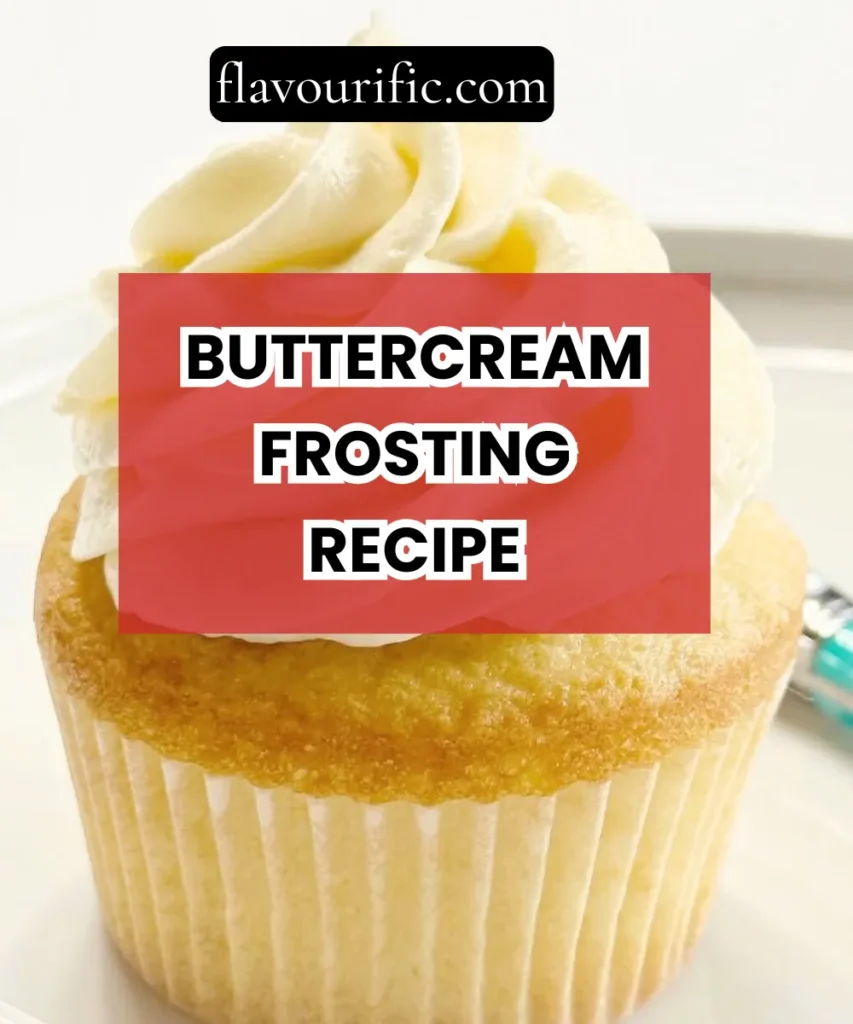
This is classic American buttercream. No cooking, no complicated techniques, no fancy equipment. Just a mixer, some butter, sugar, and a few minutes of your time.
Once you nail this recipe, you will never buy frosting from a tub again. That is a guarantee.
Why You Will Love This Recipe
Buttercream frosting gets a bad reputation for being too sweet or greasy. This recipe proves that when you get the ratios right, it is neither. Here is what makes this one different.
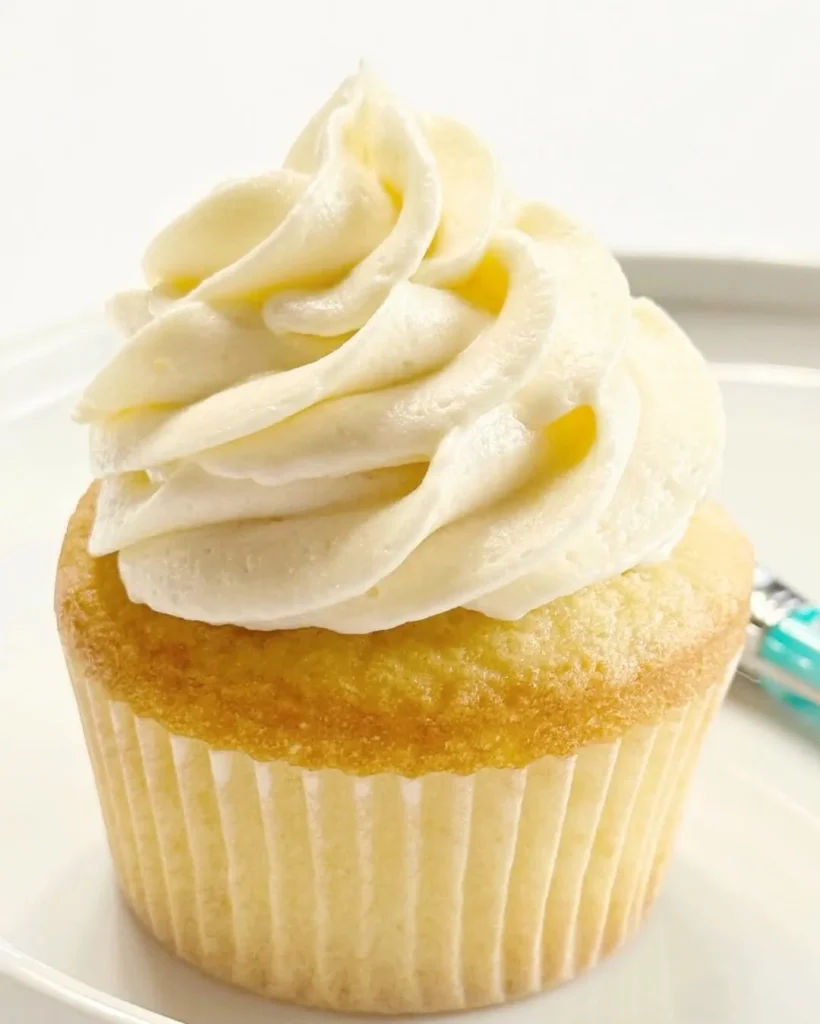
The texture is impossibly smooth. No grittiness, no air bubbles, no grease. Just silky, pipeable perfection that spreads like butter and holds its shape like a professional job.
It takes ten minutes to make. No double boilers, no cooking sugar syrup, no waiting around. Mix it up and it is ready to use immediately.
It is endlessly customisable. Vanilla is the classic, but you can flavour it with literally anything — chocolate, coffee, fruit, extracts, you name it. One base recipe, infinite possibilities.
It pipes beautifully. Whether you are doing simple swirls or intricate rosettes, this buttercream holds every detail perfectly and photographs like a dream.
It works on everything. Cakes, cupcakes, cookies, macarons, brownies — if it needs frosting, this is the one you want.
Ingredients
- 1 cup (225g / 2 sticks) unsalted butter, at room temperature
- 3½ cups (420g) powdered sugar, sifted
- 2 teaspoons vanilla extract
- 2–4 tablespoons heavy cream or milk
- Pinch of salt
Equipment Needed
- Stand mixer with a paddle attachment (or hand mixer with beaters)
- Large mixing bowl
- Measuring cups and spoons
- Fine mesh sieve or sifter (for the powdered sugar)
- Rubber spatula (for scraping down the sides)
- Piping bags and tips (optional, for decorating)
Instructions
Step 1: Make sure your butter is properly at room temperature. It should be soft enough to leave an indent when you press it with your finger, but not melted, greasy, or shiny. This is the single most important step for perfect buttercream.
Step 2: Add the softened butter to your mixing bowl. Beat it on medium speed for 2–3 minutes until it is light, fluffy, and pale in colour. Scrape down the sides of the bowl as needed.
Step 3: Add the sifted powdered sugar one cup at a time, beating on low speed after each addition. This stops the sugar from flying everywhere and coating your entire kitchen.
Step 4: Once all the sugar is incorporated, add the vanilla extract and a pinch of salt.
Step 5: Beat on medium-high speed for 3–4 minutes until the frosting is light, fluffy, and completely smooth. Scrape down the sides and bottom of the bowl halfway through to make sure everything is evenly mixed.
Step 6: Check the consistency. If it is too thick to spread or pipe easily, add heavy cream or milk one tablespoon at a time, beating well after each addition. If it is too thin, add a little more powdered sugar.
Step 7: Taste it. Adjust the sweetness or vanilla to your preference. This is your frosting — make it exactly how you like it.
Step 8: Use immediately or cover tightly and store at room temperature for up to 2 days, in the fridge for up to 1 week, or in the freezer for up to 3 months. Bring it back to room temperature and re-whip before using if it has been chilled.
Substitutes & Swaps
Unsalted butter: Salted butter works but skip the pinch of salt in the recipe or it will be too salty. Do not use margarine — it makes greasy, artificial-tasting frosting.
Powdered sugar: There is no real substitute. If you are completely out, you can blitz granulated sugar in a high-speed blender until it becomes a fine powder, but it will never be quite as smooth as proper icing sugar.
Vanilla extract: Use pure vanilla extract, not imitation. The flavour difference is huge. Vanilla bean paste is even better if you have it — use the same amount.
Heavy cream: Whole milk works perfectly. For a dairy-free version, use coconut cream or almond milk. The texture will be very slightly different but still delicious.
Variations
Chocolate Buttercream: Add ½ cup of unsweetened cocoa powder (sifted) after the powdered sugar. Beat until smooth. You may need an extra tablespoon or two of cream to get the right consistency.
Coffee Buttercream: Dissolve 1 tablespoon of instant espresso powder in 1 tablespoon of hot water. Let it cool, then add it to the frosting in place of one tablespoon of the cream. Gorgeous on chocolate cake.
Strawberry Buttercream: Add 2–3 tablespoons of freeze-dried strawberry powder after the powdered sugar. Reduce the cream slightly. Natural pink colour and real strawberry flavour.
Cream Cheese Buttercream: Beat 4 oz of softened cream cheese into the butter before adding the sugar. Tangier, richer, and incredible on red velvet or carrot cake.
Salted Caramel Buttercream: Replace half the powdered sugar with ½ cup of caramel sauce. Add an extra ¼ teaspoon of salt. Swirl and do not fully mix for a marbled effect.
Lemon Buttercream: Add 2 tablespoons of fresh lemon juice and 1 tablespoon of lemon zest. Reduce the cream by 1 tablespoon. Bright, fresh, and perfect for summer cakes.
Tips & Tricks
Get the butter temperature exactly right. This cannot be stressed enough. Too cold and it will be lumpy. Too warm and it will be greasy and loose. Room temperature means soft but still cool to the touch — leave it out for about an hour before you start.
Sift the powdered sugar. Skipping this is the fastest way to end up with gritty frosting. Always sift it. No exceptions.
Beat the butter alone first. Spending a couple of minutes whipping the butter on its own before adding anything else makes the final frosting noticeably lighter and fluffier.
Add the cream gradually. You can always add more liquid, but you cannot take it out. Go one tablespoon at a time until you hit the consistency you want.
Do not over-mix. Once the frosting looks smooth and holds its shape, stop. Over-beating can make it too airy and affect the texture when piped.
Taste as you go. Every brand of butter and every bottle of vanilla tastes slightly different. Adjust the sweetness and flavour until it is perfect for you.
Make it ahead. This buttercream keeps beautifully in the fridge for up to a week in an airtight container. Bring it back to room temperature and re-whip for a minute before using. It also freezes well for up to 3 months.
Fix it if it splits. If your buttercream looks curdled or separated, it is usually a temperature issue. If it is too cold, warm the bowl gently and keep beating. If it is too warm, chill it for 10 minutes and beat again.
Nutrition Information (Per Serving)
| Nutrient | Amount |
|---|---|
| Calories | 280 kcal |
| Total Fat | 15g |
| Saturated Fat | 9g |
| Carbohydrates | 36g |
| Fibre | 0g |
| Sugars | 35g |
| Protein | 0.5g |
| Sodium | 15mg |
Nutrition is approximate and based on 1 serving (roughly ¼ cup of frosting). Made with unsalted butter, powdered sugar, and heavy cream. A standard 2-layer cake uses about 8 servings of frosting.
Frequently Asked Questions (FAQs)
Why is my buttercream grainy? The powdered sugar was not sifted properly, or your butter was too cold. Always sift the sugar and make sure the butter is genuinely soft before you start beating. Mixing for longer can also help smooth it out.
Why does my buttercream taste too sweet? American buttercream is sugar-forward by nature. Add a pinch more salt to cut through the sweetness. A splash of vanilla extract or a tiny squeeze of lemon juice can also balance it out without changing the flavour profile too much.
Can I colour this buttercream? Yes. Use gel food colouring, not liquid. Liquid colouring thins out the frosting and washes out the colour. Add a tiny amount at a time and mix until you reach the shade you want.
How much frosting does this recipe make? Enough to frost a 2-layer 9-inch round cake, 24 standard cupcakes, or about 12 generously frosted cupcakes. Double the recipe if you are decorating a larger cake or want plenty of extra for piping decorations.
Can I pipe this buttercream? Absolutely. This recipe holds its shape beautifully when piped. If it feels too soft to pipe, refrigerate it for 10–15 minutes until it firms up slightly, then pipe as normal.
Does this frosting need to be refrigerated? If your kitchen is warm or if the cake is not being served the same day, yes. Buttercream with dairy should be kept cold if it is sitting out for more than 2 hours. A frosted cake can stay at room temperature for a few hours for serving.
Can I make this without a mixer? You can, but it will take real arm strength and time. Beat the butter vigorously by hand with a wooden spoon or whisk for several minutes before adding the sugar. It will not be quite as fluffy, but it will still taste great.
Why did my buttercream split or curdle? Temperature issue. If the butter was too warm or too cold, it can split. Warm it gently if it is too cold, or chill it briefly if it is too warm. Keep beating and it should come back together.
The Frosting That Changes Everything
Once you learn how to make proper buttercream, every cake, cupcake, and cookie you make from this point forward will be better. That is not an exaggeration. That is just what happens when you stop settling for mediocre frosting.
Make this once. Taste the difference. You will never look back.
Made this recipe? Tell me what you put it on in the comments below. I am always looking for new ideas.
Buttercream Frosting
Ingredients
- 1 cup 225g unsalted butter, softened
- 3½ cups 420g powdered sugar, sifted
- 2 teaspoons vanilla extract
- 2 –4 tablespoons heavy cream or milk
- Pinch of salt
Instructions
- Beat softened butter for 2–3 minutes until light and fluffy.
- Add sifted powdered sugar one cup at a time on low speed.
- Add vanilla extract and salt.
- Beat on medium-high for 3–4 minutes until smooth and fluffy.
- Add cream one tablespoon at a time until desired consistency.
- Taste and adjust sweetness or vanilla as needed.
- Use immediately or store and re-whip before using.
Notes
- Butter must be at proper room temperature — soft but not melted or greasy
- Always sift the powdered sugar to avoid gritty texture
Beat the butter alone first for the fluffiest frosting - Add cream gradually — you can always add more but cannot take it out
- Do not over-mix once it is smooth or it will become too airy
Store at room temperature for up to 2 days, fridge for 1 week, or freezer for 3 months - Bring to room temperature and re-whip before using if chilled