The Best Puff Pastry Recipe (Flaky, Buttery & Easier Than You Think)
Prep Time: 30 minutes | Cook Time: 0 minutes | Total Time: 4 hours (including chilling) | Servings: 1 large sheet (enough for 8-10 servings) | Calories: 240 kcal per serving
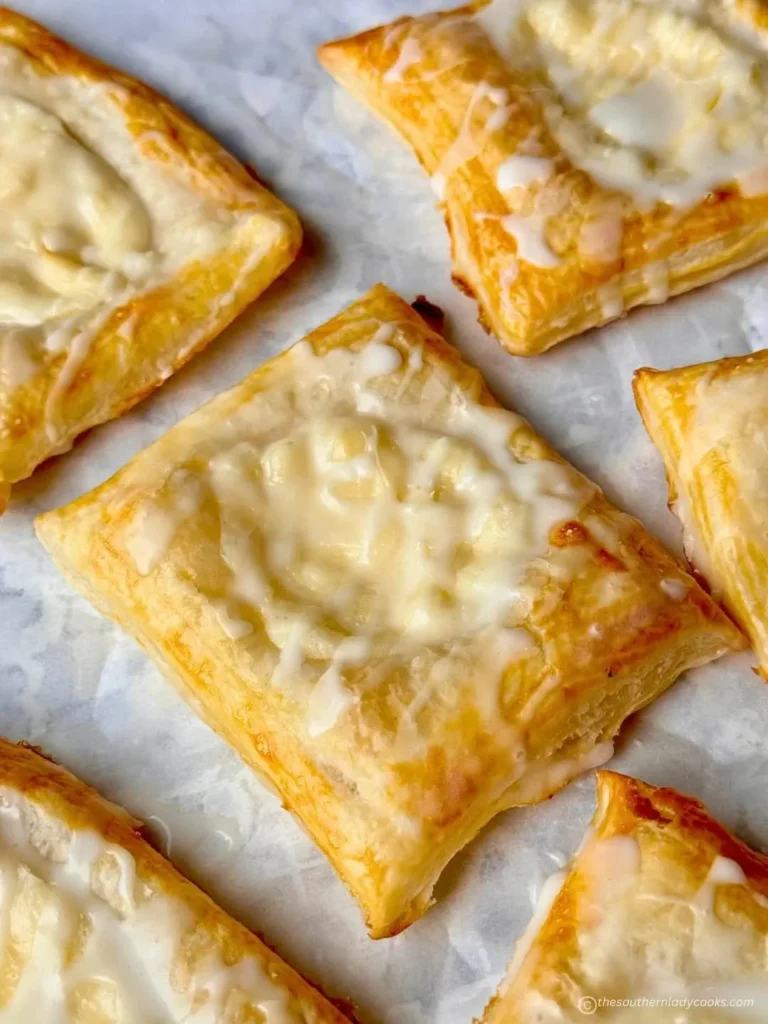
Homemade puff pastry is one of those things people assume is impossible. It is not. It just takes time and patience. The result is hundreds of buttery, flaky layers that shatter when you bite into them.
Store-bought puff pastry is convenient. But homemade tastes completely different. Richer, butterier, and more satisfying. Once you make it yourself, you understand what real puff pastry should be.

This recipe breaks it down into simple steps. Follow them carefully and you get perfect puff pastry every time.
Why You Will Love This Recipe
Puff pastry seems complicated. This recipe proves it does not have to be. Here is what makes it worth the effort.
The taste is incomparable. Homemade puff pastry tastes like pure butter and has texture that store-bought cannot match.
You control the ingredients. No preservatives or weird additives. Just flour, butter, water, and salt.
It freezes perfectly. Make a big batch. Freeze it. Pull it out whenever you need it. Always have puff pastry ready.
It impresses everyone. Serve anything made with homemade puff pastry and people think you are a professional baker.
You save money. Butter and flour are cheap. One batch costs less than buying two boxes of frozen puff pastry.
Ingredients
- 2½ cups (315g) all-purpose flour
- 1 teaspoon salt
- 1 cup (240ml) ice cold water
- 1½ cups (340g / 3 sticks) unsalted butter, cold
Equipment Needed
- Large mixing bowl
- Measuring cups and spoons
- Rolling pin
- Plastic wrap
- Parchment paper
- Ruler or measuring tape
- Sharp knife or bench scraper
- Clean work surface (marble or granite is best)
Instructions
Step 1: Mix the flour and salt in a large bowl.
Step 2: Add the ice cold water gradually. Mix with your hands until a shaggy dough forms. It will look rough.
Step 3: Turn the dough out onto a floured surface. Knead gently for 2 minutes just until it comes together. Do not overwork it.
Step 4: Shape into a flat rectangle. Wrap in plastic wrap. Refrigerate for 30 minutes.
Step 5: While the dough chills, prepare the butter. Place the cold butter between two sheets of parchment paper.
Step 6: Use a rolling pin to pound and roll the butter into a flat rectangle about 8×5 inches. It should be pliable but still cold.
Step 7: Take the dough out of the fridge. Roll it into a rectangle about 10×16 inches.
Step 8: Place the butter rectangle in the center of the dough. Fold the dough over the butter like a letter. Seal the edges by pressing with your fingers.
Step 9: Turn the dough so the seam is on your right side. This is important for keeping track of your folds.
Step 10: Roll the dough out into a long rectangle again, about 10×20 inches. Keep the edges straight.
Step 11: Fold the dough into thirds like a letter. This is called one turn.
Step 12: Rotate the dough 90 degrees. Roll out and fold again. That is two turns total.
Step 13: Wrap in plastic wrap. Refrigerate for 30 minutes.
Step 14: Repeat the rolling and folding process two more times. That is four turns total. Chill for 30 minutes between each set of two turns.
Step 15: After the final turn, wrap tightly and refrigerate for at least 2 hours before using. Overnight is even better.
Step 16: When ready to use, roll out on a floured surface to your desired thickness. Usually about ⅛ to ¼ inch thick.
Substitutes & Swaps
All-purpose flour: Bread flour makes it slightly chewier. Cake flour makes it more delicate. All-purpose is the best balance.
Unsalted butter: European-style butter with higher fat content makes even flakier pastry. Do not use margarine. It will not work.
Ice water: Must be very cold. Add ice cubes to the water to keep it cold. Warm water melts the butter.
Variations
Rough Puff Pastry: Faster method. Cut cold butter into small cubes. Mix into flour. Add water. Roll and fold 4 times without the butter block step. Not quite as flaky but much faster.
Sweet Puff Pastry: Add 2 tablespoons sugar to the dough. Use for sweet applications like palmiers and fruit tarts.
Herb Puff Pastry: Add 2 tablespoons finely chopped fresh herbs to the dough. Great for savory appetizers.
Tips & Tricks
Keep everything cold. This is the most important rule. If the butter gets warm, the layers melt together. Work in a cool kitchen or chill the dough often.
Be precise with folds. Count your turns carefully. Four double turns (or six single turns) is the standard for proper puff pastry.
Use a ruler. Measure your rectangles. Even dimensions mean even layers and even puffing.
Do not skip chilling time. The dough needs rest between folds. The gluten relaxes and the butter stays cold.
Roll in one direction. Roll away from yourself. Do not roll back and forth. This keeps the layers even.
Seal edges well. Press edges together after each fold to trap butter inside. Butter leaking out ruins the layers.
Freeze for later. Wrap tightly in plastic wrap then foil. Freeze for up to 3 months. Thaw overnight in the fridge before using.
Nutrition Information (Per Serving)
| Nutrient | Amount |
|---|---|
| Calories | 240 kcal |
| Total Fat | 17g |
| Saturated Fat | 11g |
| Carbohydrates | 19g |
| Fibre | 1g |
| Sugars | 0g |
| Protein | 3g |
| Sodium | 240mg |
Nutrition is based on 1/10 of the recipe (about 2 oz of raw dough). Does not include fillings or toppings.
Frequently Asked Questions (FAQs)
Why is puff pastry so hard to make?
It is not hard. It just takes time. The actual work is simple. You just need patience for the chilling steps.
Can I make this without a stand mixer?
Yes. This recipe is entirely by hand. No mixer needed at all.
Why did my butter leak out?
The butter got too warm or the edges were not sealed properly. Keep everything cold and press edges firmly.
How many layers should puff pastry have?
After 4 double turns you get about 729 layers. That is the classic amount for proper puff pastry.
Can I use salted butter?
Yes but reduce the added salt to ½ teaspoon. Unsalted butter gives you more control over salt levels.
Why did my pastry not puff?
The butter melted into the dough before baking. Or the oven was not hot enough. Bake at 400°F or higher.
How do I store leftover puff pastry?
Wrap tightly in plastic wrap. Keep in the fridge for up to 3 days. Or freeze for up to 3 months.
The Pastry That Changes Everything
Most people never make puff pastry from scratch. They think it is too hard or too time consuming. Those people are missing out on one of the best things you can make in your kitchen.
Try it once. Follow the steps. Taste the difference. You will never look at store-bought the same way again.
Made homemade puff pastry? Tell me in the comments what you made with it. I want to know if it was sweet or savory.

Puff Pastry
Ingredients
- 2½ cups all-purpose flour
- 1 teaspoon salt
- 1 cup ice cold water
- 1½ cups unsalted butter cold
Instructions
- Mix flour and salt. Add ice water gradually. Mix into shaggy dough.
- Knead gently for 2 minutes. Shape into flat rectangle.
- Wrap in plastic. Refrigerate 30 minutes.
- Pound cold butter between parchment into 8×5 inch rectangle.
- Roll dough into 10×16 inch rectangle.
- Place butter in center. Fold dough over like a letter. Seal edges.
- Roll out to 10×20 inches. Fold into thirds.
- Rotate 90 degrees. Roll and fold again. That is 2 turns.
- Wrap and chill 30 minutes.
- Repeat rolling and folding 2 more times for 4 turns total.
- Chill 30 minutes between each set of 2 turns.
- After final turn, wrap and refrigerate at least 2 hours.
- Roll to ⅛ to ¼ inch thickness when ready to use.
Notes
- Keep everything cold — this is the most important rule
- Count your turns carefully — 4 double turns total
- Use a ruler to measure for even layers
- Do not skip chilling time between folds
- Roll in one direction only
- Seal edges well after each fold
- Freeze wrapped tightly for up to 3 months
- Thaw overnight in fridge before using
- Bake at 400°F or higher for proper puffing