Easy Gochujang Broccoli
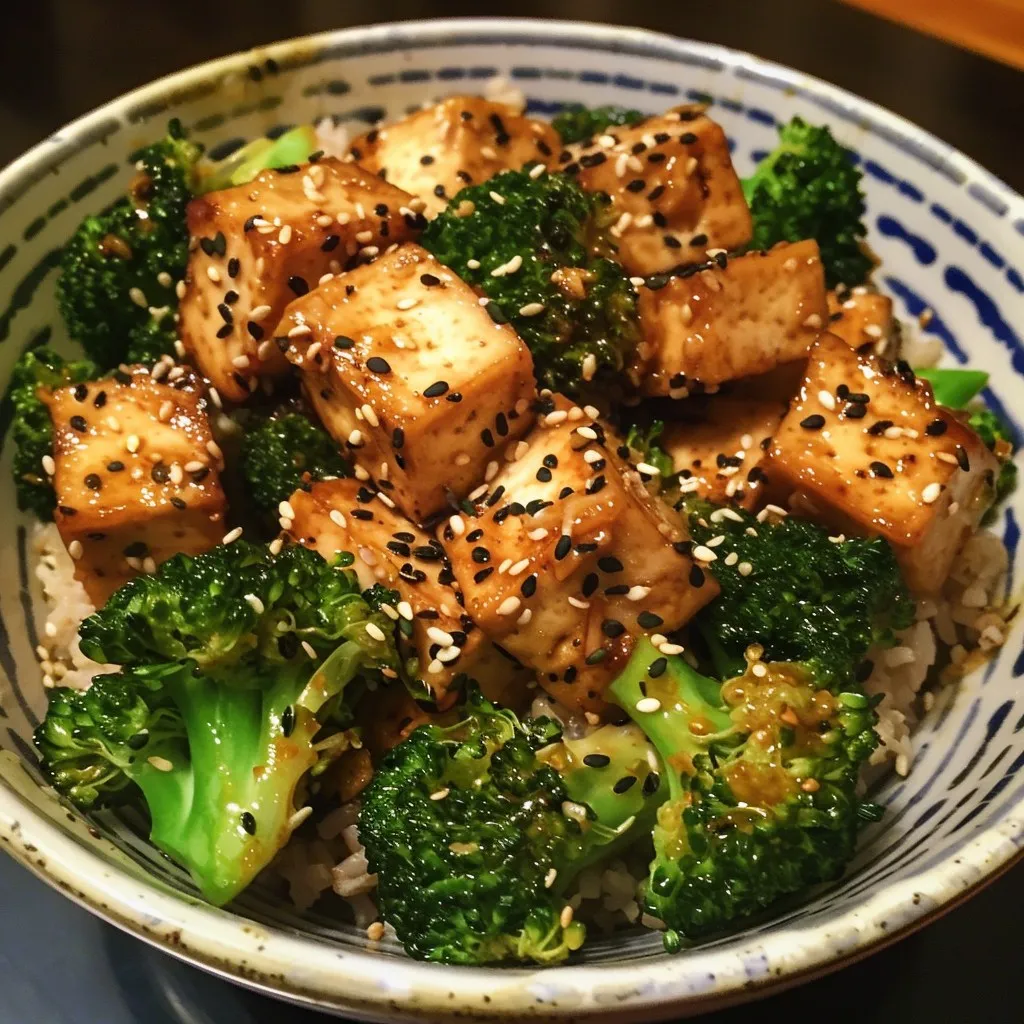
There are certain dishes that make ordinary vegetables taste unforgettable, and this gochujang broccoli is one of them. The sauce is bold, slightly sweet, a little spicy, and deeply savory. It coats the florets in a glossy glaze that tastes like something you would get from a modern Asian-inspired restaurant, but it comes together in a single pan and doesn’t require any complicated ingredients. I love serving this when I want a side that feels special without any extra fuss. It works beautifully with grilled meats, tofu, salmon, or just a bowl of jasmine rice.

The first time I made this, I underestimated how much broccoli could soak in sauce, and I ended up adding a little more than expected. The result taught me something: broccoli is like a sponge when roasted or pan-seared, and a slightly thicker sauce makes everything cling better. Now I always prepare a little extra glaze and keep it for drizzling—trust me, you’ll appreciate that extra spoonful.
Ingredients
For the Broccoli
• 4 cups broccoli florets, cut into bite-sized pieces
• 2 tablespoons avocado oil or olive oil
• 1 teaspoon sea salt
• 1⁄2 teaspoon black pepper
For the Gochujang Sauce
• 2 tablespoons gochujang paste
• 1 tablespoon soy sauce or tamari
• 1 tablespoon rice vinegar
• 2 tablespoons honey or sugar-free syrup
• 1 tablespoon sesame oil
• 2 cloves garlic, minced (or 1 teaspoon garlic paste)
• 1 teaspoon grated fresh ginger
• Optional: 1–2 teaspoons lime juice for brightness
Garnish
• 1 tablespoon toasted sesame seeds
• Chopped scallions
Substitutions and Adjustments
• Low sodium: Use reduced-salt soy sauce or half soy + half water.
• Sugar-free: Replace honey with liquid monk fruit, allulose, or a sugar-free honey alternative.
• Gluten-free: Use tamari or coconut aminos in place of soy sauce.
• Milder heat: Cut the gochujang to 1 tablespoon and increase honey or vinegar.
• Extra spicy: Add 1 teaspoon chili crisp or a pinch of Korean chili flakes (gochugaru).
Instructions
1. Prep the Broccoli
Wash, dry, and trim broccoli into even florets. Even cuts help everything cook at the same rate. Moisture creates steam, so make sure the broccoli is dry if you want good browning.
2. Toss with Oil and Seasoning
In a bowl, gently coat broccoli with oil, salt, and pepper. You can toss it by hand or with tongs. Spread vegetables evenly on a sheet pan. Overcrowding prevents caramelization, so use two pans if necessary.
3. Roast for Flavor
Roast at 425°F (220°C) for 16–20 minutes until the edges become golden and slightly charred. The small crisp brown bits are what make roasted vegetables irresistible.
4. Make the Sauce
While broccoli roasts, whisk together gochujang, soy sauce, rice vinegar, honey, sesame oil, garlic, and ginger in a bowl. The sauce should be thick and glossy—not watery. If it tastes too sharp, add a touch more honey. If it feels too sweet, balance with vinegar or lime juice.
5. Toss and Glaze
When the broccoli is hot from the oven, transfer it to a skillet on medium heat. Pour in the sauce and toss until every piece is coated. The heat helps the glaze thicken and adhere to the florets. Stir for 2–3 minutes until the sauce clings.
6. Finish and Garnish
Remove from heat and top with sesame seeds and scallions. Serve immediately while still warm and slightly sticky.
Tips for Best Results
• A hot oven gives broccoli that signature charred edge—don’t roast at a low temp.
• Whisk the sauce until completely smooth; gochujang is thick and needs a little patience.
• If your skillet gets too dry, add 1–2 tablespoons water instead of more oil.
• Use fresh garlic and ginger whenever possible; bottled versions tend to be dull.
• Always taste the sauce before adding to the pan—adjust sweetness or acidity up front.
Flavor Variations
• Sesame Peanut: Add 1 tablespoon peanut butter to the sauce for a creamy, nutty finish.
• Sweet and Smoky: Mix 1 teaspoon smoked paprika into the sauce.
• Teriyaki Style: Replace soy and honey with 2–3 tablespoons prepared teriyaki sauce.
• Crispy Broccoli: Toss florets in 1 tablespoon cornstarch before roasting for extra crunch.
• Garlic Lover’s: Add 1 additional clove of garlic or a teaspoon of roasted garlic paste.
What to Serve It With
This dish pairs well with proteins and grains:
• Grilled chicken thighs or steak
• Teriyaki or miso salmon
• Crispy tofu or tempeh
• Steamed jasmine rice, brown rice, or cauliflower rice
• Noodles tossed with sesame oil
For lighter meals, I often serve it as part of a small plate dinner—sliced avocado, a little rice, and a few shrimp skewers. It’s simple and satisfying without feeling heavy.
Storage and Reheating
• Store in an airtight container in the refrigerator for 3–4 days.
• Reheat in a skillet over medium heat with 1–2 teaspoons water to loosen the glaze.
• Microwave reheating works but tends to soften the crisp edges.
• Because of the sauce, this recipe doesn’t freeze well. It becomes mushy after thawing.
Prep and Cooking Time
Prep time: 10 minutes
Cooking time: 20–25 minutes
Total time: About 30 minutes
Serves: 3–4 as a side, 2 as a main
FAQs
Can I use frozen broccoli?
Yes, but roast it longer and on a very hot pan. Frozen florets release moisture, so spread them wide and roast until edges dry out and crisp. You may need an extra 5–8 minutes.
Is gochujang very spicy?
Gochujang is more sweet-savory than intensely spicy. The heat is gentle, especially when paired with honey or vinegar. If sensitive to spice, start with 1 tablespoon and increase gradually.
Can I cook everything in the skillet instead of roasting?
You can, but the flavor won’t be the same. Skillet broccoli steams more than it browns. If using a skillet, cook on medium-high heat without crowding and resist stirring too often.
What vegetables can I substitute?
Cauliflower works beautifully. So do snap peas, zucchini, bell peppers, or green beans. Harder vegetables like carrots benefit from par-roasting or blanching before saucing.
Can I meal prep this?
Roast the broccoli ahead, keep the sauce separate, and combine when reheating. This maintains the best texture.
A Final Thought
This recipe proves how simple ingredients can transform into something vibrant and memorable. The gochujang provides depth, the honey balances heat, and the roasted broccoli gives everything a satisfying bite. Whether you’re trying to add more vegetables to your table or simply want a bold new side dish, this is an easy win you’ll happily return to.
Easy Gochujang Broccoli
Ingredients
- Broccoli florets 4 cups bite-sized
- Avocado or olive oil 2 tablespoons
- Sea salt 1 teaspoon
- Black pepper ½ teaspoon
- Gochujang paste 2 tablespoons
- Soy sauce or tamari 1 tablespoon
- Rice vinegar 1 tablespoon
- Honey or sugar-free syrup 2 tablespoons
- Sesame oil 1 tablespoon
- Garlic 2 cloves minced (or 1 teaspoon paste)
- Fresh ginger 1 teaspoon grated
- Optional lime juice 1–2 teaspoons
- Toasted sesame seeds 1 tablespoon
- Chopped scallions for garnish
Instructions
- Preheat oven to 425°F (220°C). Wash, dry, and cut broccoli into even florets.
- Toss broccoli with oil, salt, and pepper. Spread on a sheet pan without crowding.
- Roast 16–20 minutes until edges are golden and slightly charred.
- Whisk gochujang, soy sauce, vinegar, honey, sesame oil, garlic, ginger, and optional lime until smooth.
- Transfer hot broccoli to a skillet over medium heat. Add sauce and toss 2–3 minutes until glossy and clinging.
- Remove from heat. Garnish with sesame seeds and scallions. Serve warm.
Notes
If the sauce tastes sharp, add a touch more honey; if too sweet, add vinegar or lime.